

If you find yourself hiding your smile because of stained or yellowed teeth, you are not alone. Daily habits like drinking coffee and the natural process of aging can make teeth lose their brightness. The great news is that getting a whiter, more confident smile is completely possible.
Your Path to a Brighter Smile Starts Here
A bright smile can boost your self-esteem, but it’s easy for teeth to become discolored over time. The first step is to understand what causes stains and then find the best way to remove them.
The desire for a whiter smile has created a huge global industry. The teeth whitening market was valued at about USD 8.08 billion and is expected to grow (Source: Data Bridge Market Research). Many people are looking for safe and effective ways to improve their smile. You can read the full research about teeth whitening market trends to see the data. This isn’t about getting a perfect “Hollywood” look; it’s about feeling great about your own smile.
Why Do Teeth Get Stained?
Before choosing a whitening method, you need to know what kind of stains you have. Tooth stains come in two main types:
- Extrinsic Stains: These are on the surface of your enamel, the hard outer layer of your teeth. They are caused by pigments from things like coffee, tea, red wine, and berries. Tobacco is another major cause.
- Intrinsic Stains: This type of stain is deeper and comes from inside the tooth. It can be caused by aging, certain medications taken during childhood, or an injury to a tooth.
This visual helps show the common causes of stains and how different whitening methods compare.
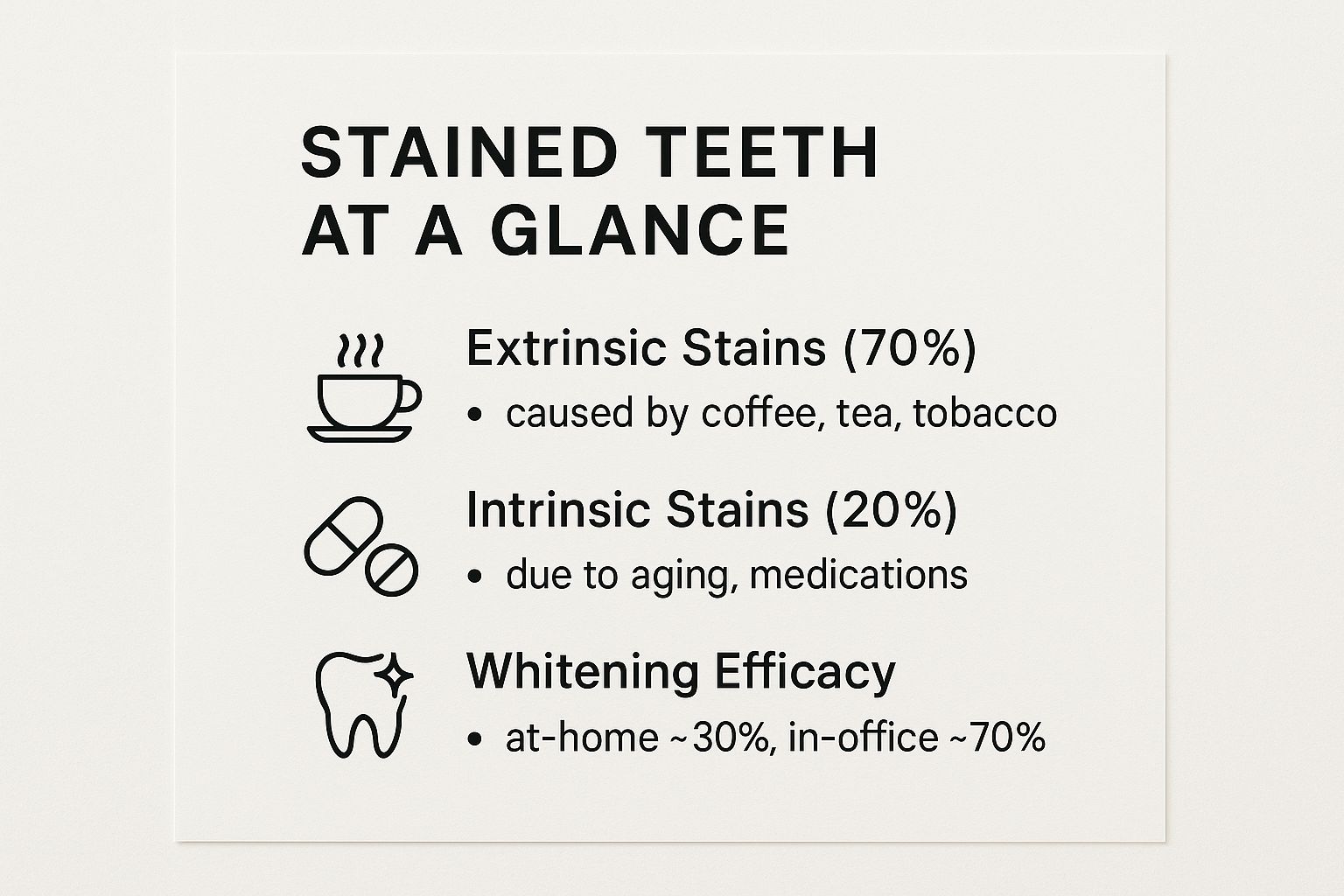
As you can see, most stains are on the surface. While store-bought products can help, professional treatments are much better at delivering dramatic, noticeable results.
To help you choose, here is a quick summary comparing the most common teeth whitening options.
At-a-Glance Guide to Whitening Options
| Whitening Method | Best For | Typical Results | Avg. Time Commitment |
|---|---|---|---|
| Whitening Toothpaste | Mild surface stain removal & maintenance. | 1-2 shades lighter over several weeks. | Daily (part of regular brushing). |
| At-Home Whitening Strips | Light to moderate extrinsic stains. | 2-4 shades lighter over 2-3 weeks. | 30-60 minutes daily for the kit’s duration. |
| Custom Take-Home Trays | Moderate to stubborn extrinsic stains. | 4-8 shades lighter over 2-4 weeks. | 1-4 hours daily or overnight. |
| In-Office Professional Whitening | Stubborn extrinsic & some intrinsic stains. | 5-10 shades lighter in one visit. | A single 60-90 minute appointment. |
The best choice for you depends on your type of stains, your budget, and how quickly you want results. At Cedar Dental Group, we are here to provide clear, honest advice to help you reach your cosmetic dentistry goals in Renton, WA.
Understanding What Causes Tooth Stains
To brighten your smile effectively, you need to know what you are fighting against. Think of your teeth like a white shirt—some spills wipe off easily, while others soak in deep. Tooth stains work in a similar way and fall into two main categories.
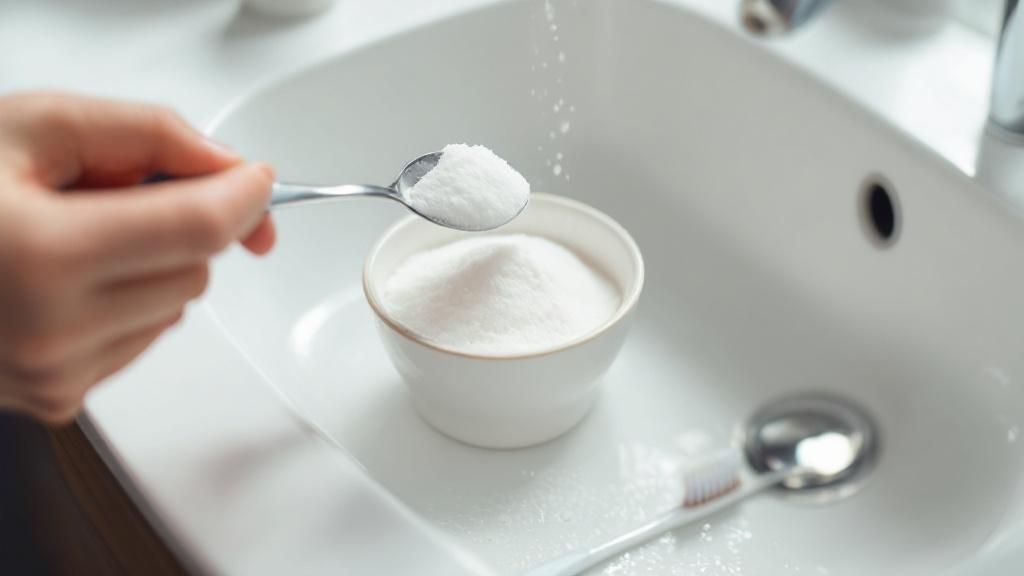
Most of the time, we see extrinsic staining. This means the stain is on the surface of your enamel, the hard outer layer of your teeth. Pigments from dark foods and drinks attach to this layer over time, creating a yellow or brown tint.
Common Causes of Surface Stains
The good news is that these stains often come from everyday habits, so they are the easiest to treat. Here are the most common causes we see in our practice:
- Coffee and Tea: These drinks contain compounds called tannins, which stick to enamel and cause discoloration.
- Red Wine: The deep color and acid in red wine are a powerful combination for staining teeth.
- Tobacco Use: The nicotine and tar in tobacco create stubborn yellow and brown stains that are hard to remove with just brushing. In fact, research shows that smokers are twice as likely to have discolored teeth as non-smokers (Source: American Dental Association).
- Dark Foods: Foods like berries, soy sauce, and tomato sauce can also contribute to surface stains over time.
While these stains are common, there is another type that comes from inside the tooth.
A Quick Note on Oral Hygiene: If you don’t brush and floss well, plaque can build up and harden into tartar. Tartar is porous and absorbs stains easily, making teeth look dull and yellow much faster.
Deeper Discoloration from Within
The second type of stain is called intrinsic staining. Unlike surface stains, this discoloration happens in the dentin—the sensitive tissue layer under your enamel. Because these stains are internal, they won’t respond to whitening toothpaste or strips.
Intrinsic stains often look grayish or uniformly yellow. They can be caused by a few different things:
- The Aging Process: As we get older, our enamel naturally thins. This allows the yellowish color of the dentin underneath to show through more.
- Medications: Certain antibiotics, like tetracycline, can cause deep stains if taken when teeth are developing in childhood.
- Dental Trauma: An injury to a tooth can damage the nerve, causing the tooth to darken from the inside.
Keeping your enamel strong is the best way to prevent new stains. For tips, you can read our guide on how to prevent cavities. Knowing if your stains are on the surface or deep inside is the first step to a whiter smile.
A Guide to At-Home Whitening Options
Walking down the dental care aisle at the store can be confusing. Many products promise a brighter smile, but it’s hard to know what really works. Let’s look at the most common at-home options to help you decide what’s right for you.
Many people start with whitening toothpaste. These are great for daily maintenance because they use gentle abrasives to polish away new surface stains. Think of them as your first defense to keep new stains away, but they won’t change the deep color of your teeth.
For More Noticeable Results
If you want a more visible change, whitening strips are a popular choice. These are thin strips coated in a peroxide gel that you apply to your teeth. When used for a few weeks, they can lighten your smile by a couple of shades.
However, it can be hard to get a perfect fit, which can lead to uneven results. Many people also feel some temporary tooth sensitivity, a common side effect of peroxide whiteners.
Expert Tip: At-home whitening products work best for mild to moderate surface stains. While convenient, they don’t have the strength to handle deep stains like a professional treatment can.
The Rise of Whitening Pens
Another popular option is the whitening pen. These are great for quick touch-ups. You just brush a thin layer of whitening gel onto your teeth, making them perfect for targeting a specific spot.
While these at-home products are a good starting point, it’s important to have realistic expectations. For safety, they use lower concentrations of whitening agents, so the results will be more subtle than what a dentist can provide. Also, these methods don’t work well if you have plaque or tartar buildup. Good oral hygiene is key, which is why understanding things like what causes bad breath is so important.
The Real Benefits of Professional Whitening
When you are serious about getting rid of stubborn stains, nothing beats professional whitening. Store-bought kits have their place, but they can’t match the power and precision of a treatment done by a dental expert. The main difference is the strength of the whitening agent and the safety steps we take to protect your teeth and gums.
Here at Cedar Dental Group, your comfort is our top priority. Before we apply the whitening gel, we place a protective barrier over your gums. This is a crucial step that you can’t do correctly at home. It protects your mouth from irritation and allows us to use a professional-grade solution to lift deep stains.
Faster and More Dramatic Results
Most people want to see a difference quickly. This is where professional whitening really stands out. While at-home strips might lighten your teeth by a shade or two over a few weeks, a single in-office session can deliver a huge transformation.
Modern professional treatments can brighten teeth by an amazing 7 to 10 shades in just one appointment. For comparison, most at-home kits take a week or two to show a noticeable change. If you have a special event coming up, the immediate results of an in-office treatment are a game-changer.
Key Takeaway: Professional whitening is a safe, controlled, and effective way to get a much brighter smile in less time than at-home options. A dental professional manages the process to reduce risks and maximize results.
Customized Solutions for a Perfect Smile
We also offer custom-fitted take-home trays, which are much better than one-size-fits-all strips. We take a precise mold of your teeth to create trays that fit you perfectly.
This custom fit ensures that the professional-strength gel covers every tooth surface evenly. You avoid the splotchy results that are common with store-bought products. It’s a great mix of professional power and at-home convenience.
This personalized care is at the heart of our cosmetic dentistry. When you invest in professional whitening, you are paying for safe, predictable, and beautiful results that will make you want to smile more.
Keeping Your Smile Bright After Whitening
You’ve worked hard to get a brilliant, white smile. Now, the secret is keeping it that way. Making your results last is easier than you think and just requires a few smart habits.
Your Teeth Need Extra Care at First
Think of your teeth right after whitening like a freshly painted wall; they are more porous and can pick up new stains easily. This is why the first 48 hours are so important.
During this time, you should avoid coffee, tea, red wine, and dark sauces like marinara. Giving your enamel this short break helps it remineralize, creating a stronger barrier against future stains.
Smart Habits for Long-Lasting Whiteness
After the first 48 hours, you don’t have to give up your favorite foods and drinks forever. It’s all about being strategic. A few small changes to your routine can make a big difference.
For example, using a straw for drinks like iced coffee or dark sodas helps the liquid bypass your front teeth. This reduces direct contact with staining compounds. Another great tip is to rinse your mouth with water right after eating or drinking something colorful, like berries or tomato sauce.
Protecting Your Investment: Small, consistent habits will do more to keep your smile white than occasional touch-ups. Prevention is the key.
Of course, none of this works without a solid oral hygiene routine. This is the foundation for keeping your teeth healthy and stain-free.
- Brush Twice a Day: Use a soft-bristled toothbrush and a non-abrasive whitening toothpaste to gently polish away new surface stains.
- Floss Every Day: Stains can start between your teeth where plaque gets trapped. Flossing is your best defense against this. For a refresher, check out our guide on how to floss properly.
- Don’t Skip Your Cleanings: Regular professional cleanings at Cedar Dental Group are essential. We can remove hardened tartar that your toothbrush can’t, keeping your smile healthy and bright.
With these simple tips, you can enjoy your radiant smile for a long time.
Frequently Asked Questions About Teeth Whitening
We get many questions about teeth whitening from our patients in Renton, WA. Having clear answers is the first step toward feeling confident about your treatment. Here are some of the most common questions we hear.
1. Is teeth whitening safe for my enamel?
Yes, when done correctly, teeth whitening is safe for your enamel. Professional treatments are designed to protect your oral health. The whitening agents temporarily open the pores in your enamel to lift stains. Your teeth then naturally remineralize. The key is to follow directions and not overuse whitening products.
2. How long will my whitening results last?
With good care, the results from a professional whitening treatment can last for one to three years. Your daily habits make the biggest difference. To make your results last longer, try to limit stain-causing foods and drinks, avoid tobacco, and keep up with your regular dental cleanings.
3. Why do my teeth feel sensitive after whitening?
It’s common to feel some temporary sensitivity. The active ingredients in whitening gels can make your enamel more porous for a short time, which can stimulate the nerve. This feeling usually goes away within 24 to 48 hours. If you know you have sensitive teeth, let us know. We can recommend a desensitizing toothpaste or adjust your treatment.
Our Patient-Centered Approach: Your comfort is our top priority. If you deal with dental anxiety, we are here to help create a gentle, reassuring environment. Learn more in our guide on how to overcome dental anxiety.
4. Will whitening work on my crowns or veneers?
No, whitening agents will not change the color of dental work like crowns, veneers, or fillings. These materials are non-porous and do not react to bleaching agents. If you whiten your natural teeth, it can create a color mismatch with your dental work. It’s important to discuss this with us first so we can create a plan for a seamless smile.
5. What’s the difference between at-home and professional whitening?
The main differences are strength, speed, and safety.
- Strength: Professional gels are much stronger and can break down deep stains that at-home kits can’t touch.
- Speed: An in-office treatment can lighten your teeth by several shades in just one visit.
- Safety: In our office, your gums are protected, and the entire process is supervised by a professional to ensure safe, comfortable, and effective results.
Ready to get a brighter, more confident smile? The team at Cedar Dental Group is here to help. Schedule a consultation at our Renton, WA office to discuss your goals and create a personalized whitening plan. Contact us today!
