

Learning how to floss properly is more than just a daily task—it's a vital act of self-care for your oral health. Mastering this simple skill protects your smile from cavities and keeps your gums healthy and strong. At Cedar Dental Group, we understand that new habits can feel daunting, but we're here to guide you with compassion and expertise.
Why You Can’t Afford to Skip Flossing
We’ve all heard the flossing lecture from our dentist, but let’s talk about why it's so crucial for your well-being. Even if you're a diligent brusher, a toothbrush can only clean about 60% of your tooth surfaces (Source: Oral-B).
This leaves a significant 40% untouched—the tight spaces between your teeth and the critical area just beneath your gumline. This is precisely where dental problems often start.
When you skip flossing, you leave behind food particles and a sticky bacterial film called plaque. It only takes 24 to 48 hours for that plaque to harden into tartar, a cement-like deposit your toothbrush can't remove.
Tartar doesn't just look yellow; it actively irritates your gums, causing inflammation. This is often the very first sign of gum disease, a condition that requires professional care to resolve.
The Real Cost of Neglecting Those Gaps
Ignoring those in-between spaces allows harmful bacteria to thrive, leading to common and preventable dental issues:
- Cavities Between Teeth: Plaque constantly produces acid that erodes your tooth enamel, causing decay in the exact spots your toothbrush can't reach.
- Gum Disease (Gingivitis): Plaque buildup along the gumline triggers inflammation. Your gums may become red, swollen, and bleed when you brush—a classic sign of gingivitis. At Cedar Dental Group, we provide compassionate gum disease treatment to restore your gum health.
- Stubborn Bad Breath: Trapped food and bacteria are a primary cause of halitosis (bad breath). Brushing provides a temporary fix, but flossing removes the source for lasting freshness.
The impact of neglecting these spaces is significant. Serious gum infections, known as periodontal diseases, affect a large portion of adults, with some estimates reaching nearly 47% of adults aged 30 and older in the United States (Source: CDC). A major contributor is plaque buildup between the teeth.
At Cedar Dental Group, we know that flossing can feel like a chore, especially if you're anxious about dental care. Our goal is to provide simple, encouraging guidance that helps you build a quick, easy, and effective habit. Just a few minutes each day is all it takes to protect your smile.
Choosing Your Perfect Flossing Partner
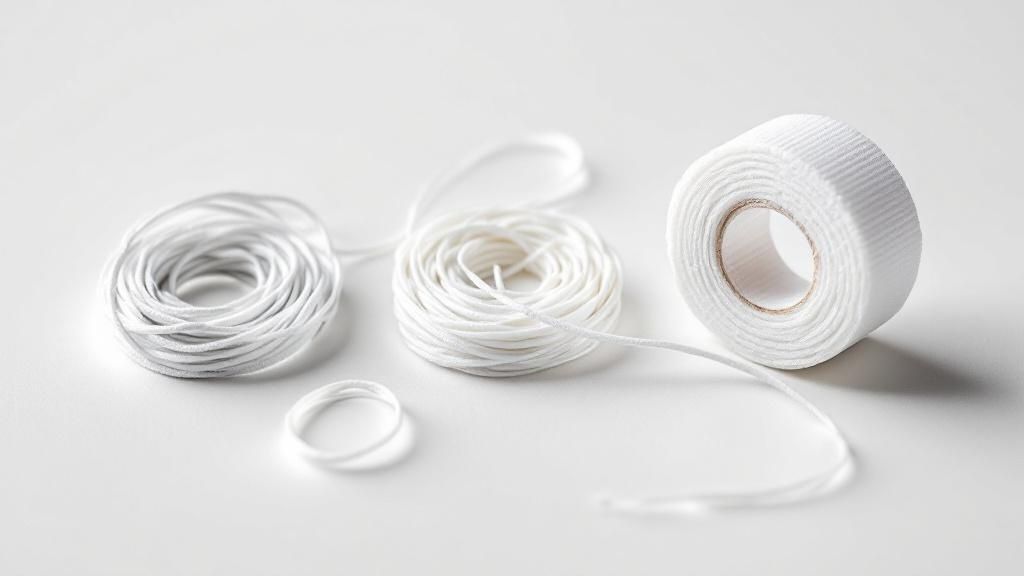
The best flossing tool is the one you will use consistently every day. While traditional string floss is a trusted staple, the dental aisle now offers a wide variety of options. Finding the right fit can transform flossing from a chore into a seamless part of your self-care routine.
This growing market reflects a positive shift toward preventive care, empowering people with easier and more effective ways to maintain their oral health.
Navigating Your Flossing Options
Walking down the oral care aisle can feel overwhelming. Let's break down the most popular tools to help you find your ideal match, based on your unique needs and comfort.
- Traditional String Floss: This is the gold standard for its effectiveness in physically scraping away sticky plaque. If your teeth are close together, waxed floss is an excellent choice as the coating helps it glide smoothly without shredding.
- Dental Floss Picks: These convenient, disposable tools are perfect for flossing on the go or for anyone who finds wrapping string floss around their fingers difficult. They make reaching back teeth much simpler.
- Water Flossers: Also known as oral irrigators, these devices use a pulsating stream of water to flush away food debris and plaque from between teeth and below the gumline. They are particularly beneficial if you have braces, implants, bridges, or sensitive gums.
- Interdental Brushes: These tiny brushes are designed for cleaning larger gaps between teeth where regular floss may be less effective. They are also fantastic for cleaning around dental implants and bridgework.
Which Flossing Tool Is Right for You?
With so many options, there is a perfect solution for everyone. Here’s a quick comparison to help you decide based on your dental needs and personal preferences.
| Tool Type | Best For | Potential Drawbacks |
|---|---|---|
| String Floss | Tightly spaced teeth and precise plaque removal. | Can be tricky to handle for some; may shred in tight spots. |
| Floss Picks | On-the-go use, limited dexterity, and convenience. | May not effectively wrap around the tooth surface; creates plastic waste. |
| Water Flosser | Braces, bridges, implants, and sensitive gums. | Higher initial cost; doesn't physically scrape plaque like string floss. |
| Interdental Brush | Wide gaps between teeth, bridges, and implants. | Not suitable for tight spaces; requires finding the right size. |
The best tool is ultimately the one that fits into your life and addresses your specific oral health needs.
Finding the Right Tool for Your Smile
Every smile is unique. What works for a friend might not be the most comfortable or effective option for you.
For example, anyone with a permanent retainer knows the challenge of using traditional floss. In this case, a water flosser or a floss threader (a tool that guides floss under dental work) is essential for proper cleaning without frustration.
Our Pro Tip: Don't be afraid to experiment. Trying a few different tools is the best way to discover what feels most comfortable and effective for your mouth. Consistency is more important than the specific tool you choose.
If you’re still unsure, our team at Cedar Dental Group is here to help. We can offer a personalized recommendation during your next visit. You can explore all the ways we support our patients' health on our comprehensive dental services page.
Mastering the C-Shape Flossing Technique
Once you've chosen your floss, it’s time to focus on technique. Proper flossing isn't about force; it’s about finesse. The goal is to meticulously clean the sides of each tooth and, most importantly, the space just beneath your gumline where your toothbrush can't reach.
The secret to effective flossing is the C-Shape technique. This gentle method ensures you’re scraping away plaque, not just snapping the floss between your teeth, which can be ineffective and may even harm your delicate gum tissue.
Getting Started with Your Floss
First, let's get your floss ready. You don't need an excessive amount to do the job right.
Pull out a piece of floss about 18 inches long—roughly the length from your fingertips to your elbow. This gives you a fresh section of floss for each tooth, preventing the spread of bacteria.
Wrap most of the floss around the middle finger of one hand. Wrap a small amount around the middle finger of your other hand; this will be your "take-up" spool. Pinch a one-to-two-inch section tightly between your thumbs and index fingers for precise control.
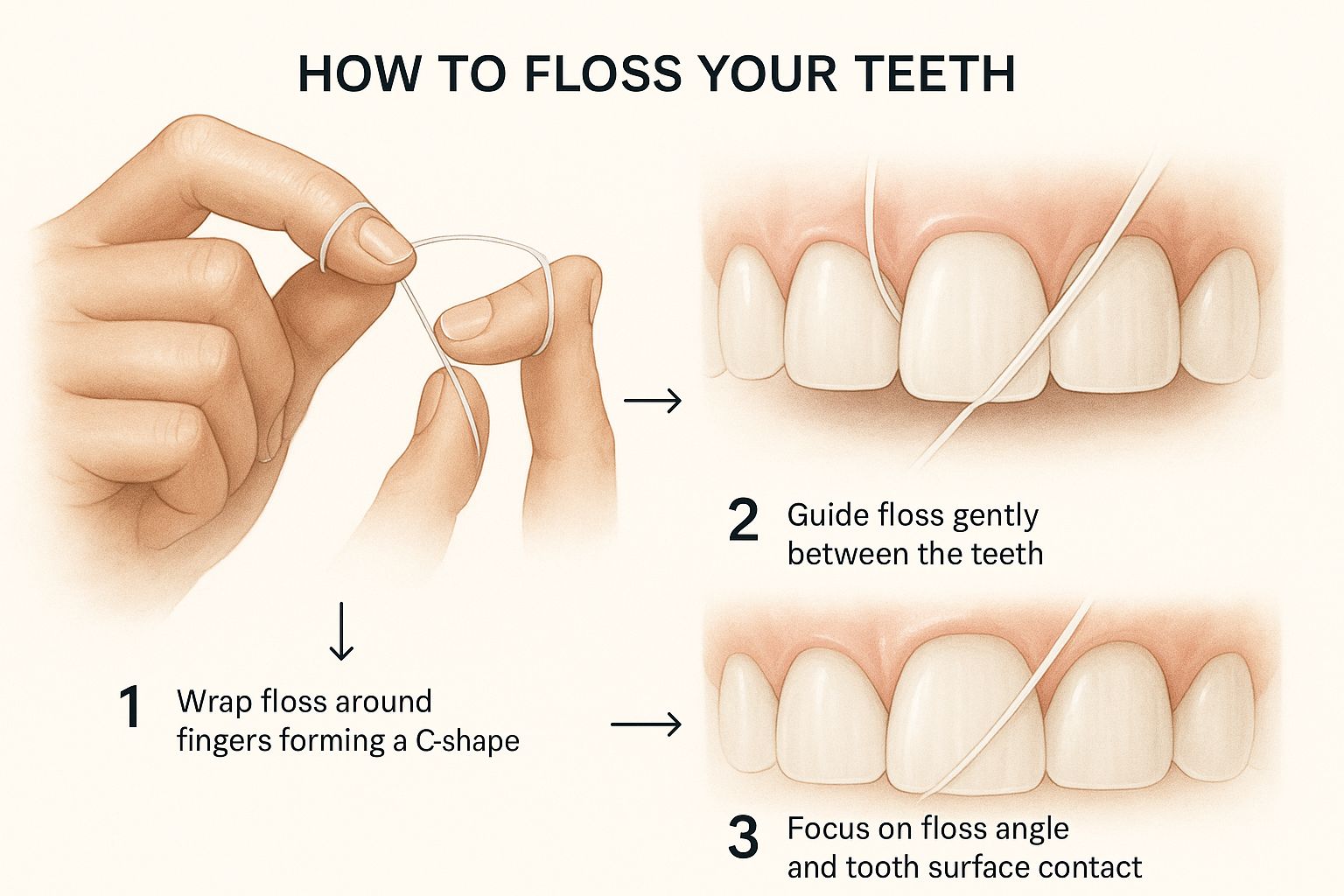
As this image shows, the magic happens when you wrap the floss around the tooth's surface. This contact is what truly removes hidden plaque.
The Gentle Art of the C-Shape
With your floss held correctly, you’re ready to begin. Remember, patience and a gentle touch are your best friends.
-
Guide the Floss Gently: Use a soft, back-and-forth "sawing" motion to ease the floss between two teeth. Never snap it straight down into your gums, as this can cause pain, bleeding, and gum recession. If your teeth are tight, a waxed floss can make this step much smoother.
-
Form the 'C': Once between your teeth, curve the floss into a "C" shape, hugging one of the teeth. Think of it as giving that tooth a gentle, cleaning embrace. This is the most critical part of effective flossing.
-
Clean Below the Gumline: Gently slide the floss into the space between your tooth and gum until you feel slight resistance. The C-shape allows the floss to slip just below the gumline, where the most harmful plaque hides.
-
Wipe the Tooth Surface: Keeping the floss in that C-shape, move it up and down along the side of the tooth. Start from just below the gumline and go up to the top of the tooth. Two or three passes should be enough to wipe the surface clean.
At Cedar Dental Group, we encourage our patients to think of it like squeegeeing a window. You're not just moving the floss in and out; you are methodically wiping the entire side of the tooth clean for a healthier smile.
Finishing the Job Correctly
After cleaning one tooth surface, you're not done with that space. Lift the floss over the small triangle of gum tissue (the papilla) and press it against the other tooth in the same gap. Form another C-shape and repeat the wiping motion.
As you move to the next pair of teeth, unwind a fresh section of floss from your "clean" finger and wind the used section onto your other one. Using a fresh piece for each tooth is essential for good hygiene.
This may feel a bit clumsy at first, but we promise it becomes second nature with practice. Committing to this technique is one of the best things you can do for your oral health between professional visits. For a demonstration and personalized feedback, just ask during your next exam and cleaning at our Renton office. We're always here to help you master this essential skill with confidence.
Overcoming Common Flossing Frustrations
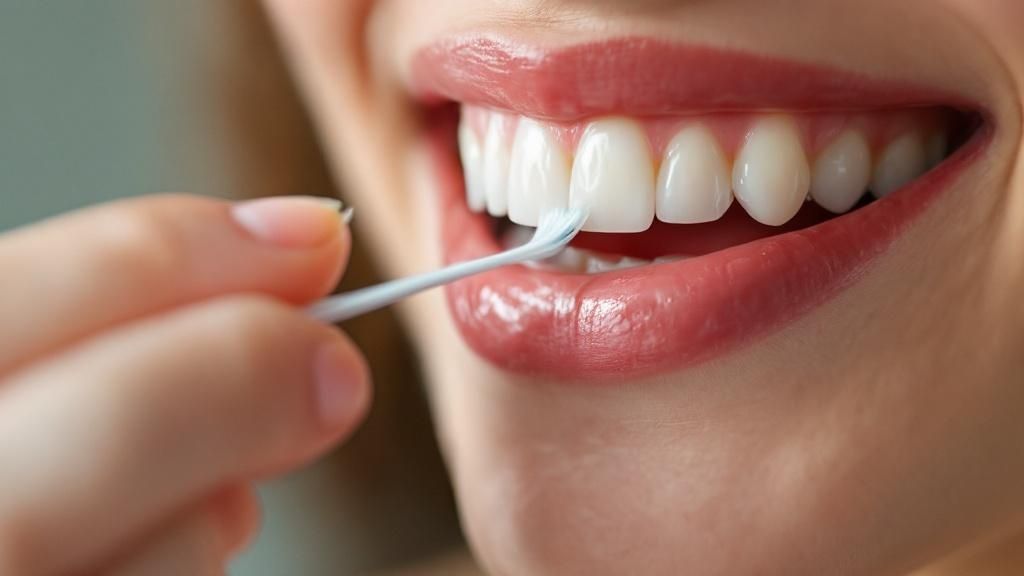
It's completely normal to encounter a few challenges when starting a new flossing routine. Please don't let them discourage you. Pushing through these initial hurdles is how you build a healthy habit that lasts a lifetime.
At Cedar Dental Group, we’ve heard every concern, and we want you to know you're not alone. Let's walk through common frustrations and find practical, reassuring solutions.
"Why Do My Gums Bleed When I Floss?"
Seeing a little pink in the sink is the number one reason people stop flossing. While it can be alarming, it’s actually a sign to keep going, not to stop. Bleeding is your body’s signal of existing inflammation, likely caused by the very plaque you’re now removing.
When you gently and consistently floss, you’re removing the bacterial irritants. Think of it as your gums thanking you for the extra attention.
Key Takeaway: A little bleeding at first is usually a sign of mild gingivitis. If you continue to floss gently every day with the C-shape technique, the bleeding should stop within one to two weeks as your gums become healthier.
If you experience heavy bleeding or it doesn't resolve after a couple of weeks, that’s your cue to call us at our Renton, WA office. We can ensure nothing more serious is happening and provide personalized, compassionate care.
"What If My Floss Keeps Shredding or Getting Stuck?"
It’s frustrating when floss shreds and gets trapped while you’re trying to do something good for your teeth. This doesn’t mean you’re failing; it just means we need to troubleshoot your tools or your teeth.
This issue often comes down to two things:
- Tight Contacts: Some of us simply have teeth that are very close together, which can tear standard floss.
- Rough Edges: An old filling or the edge of a crown might have a microscopic ledge that snags the floss.
The fix is often as simple as switching your floss. Look for a shred-resistant or "tape" style floss. These are often made from a single, slick strand of material (PTFE) that glides through tight spaces without fraying.
Flossing Around Dental Work
Flossing around crowns and bridges can feel like solving a puzzle. These areas are prime spots for plaque to hide, making it crucial to clean them well to protect your dental investment.
Specialized tools can make all the difference:
- Floss Threaders: These flexible plastic "needles" help guide floss under a bridge or permanent retainer.
- Water Flossers: An oral irrigator is fantastic for flushing debris from tricky spots around crowns and under bridges.
- Interdental Brushes: These tiny brushes work wonders for gently scrubbing the sides of crowns and the teeth supporting a bridge.
Cleaning around complex restorative dentistry just requires a little extra attention and the right tools. Our team is always happy to provide a hands-on demonstration to make you feel comfortable and confident.
Beyond the Basics: Expert Tips for a Flawless Floss
Once you're comfortable with the C-shape technique, you can incorporate a few professional tips to elevate your routine. These small adjustments can turn a simple task into a powerful part of your oral health regimen, protecting your investment in a confident smile.
The Best Time to Floss
So, when is the best time to floss? We recommend flossing right before you go to sleep. This removes all the food particles and plaque from your day's meals before they can sit undisturbed for hours, which is when bacteria can cause the most harm.
But should you floss before or after brushing?
Our professional recommendation is to floss before. A study in the Journal of Periodontology found that flossing first dislodges plaque and food debris, allowing the fluoride in your toothpaste to better reach and strengthen the surfaces between your teeth.
Think of it like dusting before you polish. You clear the way for a more effective clean.
Making Flossing an Unforgettable Habit
The biggest challenge for most people isn't the technique—it's remembering to do it. The secret is to use habit stacking: link the new habit (flossing) to something you already do automatically.
Instead of just telling yourself, "I'll floss later," tie it directly to an existing part of your routine.
- Floss while your coffee is brewing in the morning.
- Do it while you’re winding down with a nightly TV show.
- Keep floss picks in your bag for a quick clean after lunch.
Soon, flossing will feel as natural as grabbing your toothbrush.
How to Handle Flossing Around Dental Work
If you have a permanent retainer, a bridge, or very tight teeth, flossing can feel challenging. A floss threader is a game-changer. This simple, flexible plastic loop acts like a needle, helping you guide floss underneath your dental work without a struggle.
Using the right tools is essential for cleaning hard-to-reach spots where plaque hides. Protecting the health of your teeth is the foundation for a beautiful smile. After all, exceptional health is the first step toward the confident appearance you deserve, which is why we also offer a full range of cosmetic dentistry options.
Frequently Asked Questions About Flossing
We understand you may still have questions. At Cedar Dental Group, we love empowering our Renton patients with knowledge. Here are answers to some common questions to help you feel completely confident.
1. Is it normal for my gums to bleed when I start flossing?
Yes, a little bleeding is very common and normal when you first start a flossing routine. This is usually just a sign of mild gum inflammation (gingivitis) caused by plaque. If you continue to floss gently every day, the bleeding should stop within a week or two as your gums get healthier. If it persists, please give us a call so we can ensure everything is okay.
2. Should I floss before or after I brush my teeth?
The professional consensus, supported by research from the Journal of Periodontology, is to floss before you brush. This clears out debris from between the teeth, allowing the fluoride in your toothpaste to reach those surfaces more effectively. However, the most important thing is that you floss daily, so do what works best for your routine.
3. How often do I really need to floss?
The American Dental Association recommends flossing at least once per day. Plaque can begin to harden into tartar in as little as 24-48 hours. Daily flossing disrupts this process, preventing tartar buildup that can only be removed with a professional cleaning.
4. Are water flossers a good substitute for string floss?
Water flossers are excellent tools, especially for cleaning around braces, bridges, and dental implants. They are great at flushing out food particles. However, they don't scrape away the sticky plaque film as effectively as traditional floss. For the best results, many dental professionals recommend using both: the water flosser to rinse and the string floss to scrape.
5. What should I do if my floss keeps shredding?
Shredding floss is frustrating but often provides a clue. It could mean you have a tight contact between teeth or a rough edge on an old filling or crown. First, try a shred-resistant "tape" floss. If it still catches in the same spot, please mention it at your next appointment at our Renton office. It might be a simple issue we can easily smooth out for you.
Ready to Take Your Smile to the Next Level?
Embracing a consistent flossing habit is one of the kindest things you can do for yourself. It’s about protecting your gums, keeping your breath fresh, and preventing more complex dental issues down the road. This small daily action pays huge dividends for your long-term health and confidence.
We understand that building a new habit can feel awkward. You might wonder if you're using the right technique or the best tool for your smile. That's what we're here for.
At Cedar Dental Group, we are your partners in health. We are committed to providing the guidance, support, and professional care you need to feel great about your smile in a comfortable, patient-centered environment.
Ready to improve your smile? Contact Cedar Dental Group in Renton, WA today to schedule your next appointment.
