
Preventive dentistry is the best way to keep your teeth, gums, and mouth healthy for life.
Routine Dental visits can prevent and treat dental problems. Early diagnosis and treatment can keep your smile looking and feeling its best.
Preventative dental services include:
- Cleanings and Exams
- Digital Xrays
- Fluoride
- Sealants
- Periodontal therapy for gum disease
- Night guards
- Oral cancer screenings

Benefits of Regular Checkups

Preventive Dentistry: Steps for Dental Care
Xrays and Exam
We’ll take a thorough look at our teeth and identify any issues that are spotted.

Personalized Treatment Plan
We’ll have a collaborative discussion about your dental goals and your personalized treatment plan will be based on your unique oral health needs.

Cleaning
Depending on the type of cleaning you need, we’ll remove plaque and tartar, thoroughly floss and polish your teeth, leaving your smile fresh and clean.

Follow up Appointments
We’ll schedule your next appointment and make sure any lingering questions are answered!
Curodont: Stop Cavities Before They Start
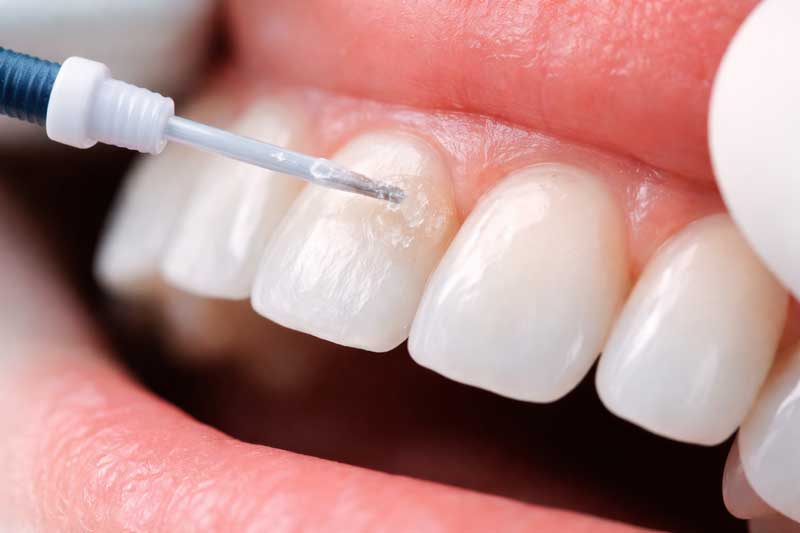
Curodont Repair is a revolutionary, non-invasive treatment that reverses early tooth decay without drilling or fillings. At Cedar Dental Group, we use this advanced technology to gently encourage natural enamel regeneration—preserving your teeth, protecting your smile, and keeping you comfortable every step of the way.
Why patients choose Curodont:
- Non-invasive and pain-free
- Avoids drilling and traditional fillings
- Promotes natural enamel healing
- Ideal for early-stage cavities and white spot lesions
Dr. Chu offers this gentle alternative for patients who value prevention, comfort, and lasting oral health—helping you stop decay in its tracks and keep your smile strong.
Preventative Dental Care Frequently Asked Questions
The vast majority of dental insurance policies fully cover routine preventive care like cleanings, exams, and x-rays.
Even if it’s not completely covered by your insurance plan, chances are it is at least partially covered. Certain plans may even cover optional treatments, like dental sealants and fluoride treatments.
Get in touch with your provider for specific details about your insurance plan, or give us a call today and find out how we can help maximize your benefits.
Keeping up with good brushing habits is integral to your oral health, and using the proper technique can help keep your mouth free from decay.
Brush your teeth at least twice a day for two minutes at a time.
Hold your brush at a 45-degree angle and use small, circular strokes to clean the front, back, and chewing surfaces of each tooth. You should spend about 30 seconds on each quadrant of your mouth.
Use toothpaste that is ADA-approved and rich in fluoride. Don’t forget to replace your toothbrush or electric toothbrush head every 3-4 months, or when the bristles start to look frayed or worn.
Daily flossing is the best way to dislodge plaque and bacteria to keep gum disease at bay, and can be easy once you know the proper technique:
1. Gather 24 inches of dental floss, wrapping most of it around one index or middle finger.
2. Wind the remaining few inches around the index finger of your other hand, keeping about 1-inch of floss taut between your fingers and thumbs.
3. Gently glide the floss between your teeth. If you’re having trouble getting the floss between your teeth, try not to force it, as it can slip and cause damage to your gums.
Instead:
1. Use a gentle side-to-side rocking motion to get the floss where it needs to be.
2. Once the floss is between your teeth, slide it into the gum line while following the c-shaped curve of the tooth.
Repeat this process for both sides of every tooth. To help prevent the spread of bacteria, be sure to wind a new 1-inch section of floss before moving on to the next tooth.
We recommend a dental checkup and professional cleaning every six months to maintain optimal oral health and catch potential issues early.
A typical visit includes a thorough exam, digital X-rays if needed, professional cleaning, and a personalized discussion about your oral hygiene habits and goals.
Dental sealants are thin, protective coatings applied to the chewing surfaces of back teeth to help prevent cavities—ideal for patients prone to decay, including teens and adults.
Yes, preventive care—especially cleanings and early detection—can significantly reduce your risk of developing gum disease and help manage it if it’s already present.
Limiting sugary, acidic, and sticky foods can help prevent cavities and erosion; we’re happy to provide guidance tailored to your eating habits.
An oral cancer screening is a quick, painless exam we include in routine visits to check for early signs of abnormalities—important for all adults, especially tobacco users.
Custom nightguards protect your teeth from grinding or clenching during sleep, preventing enamel wear, jaw pain, and potential tooth damage.
