

Taking care of your dental implants is a lot like looking after your natural teeth. It all comes down to good daily habits and regular visits to the dentist. The main goal is simple: keep the area around your implant clean and free from harmful bacteria.
By brushing twice a day with a soft-bristled brush, flossing daily, and seeing your dentist for routine cleanings, you can protect your investment and keep your new smile bright for life.
Your New Smile: A Lifetime Commitment to Care
Getting a dental implant is a wonderful investment in your health and confidence. At Cedar Dental Group, we want to help you protect that investment for years to come. While dental implants are very strong, they need simple, consistent care to last a lifetime.
Think of it as a daily routine that keeps your smile healthy and bright for decades. This guide will walk you through everything you need to know, from daily habits to the importance of professional check-ups. We want you to feel confident and comfortable with your new smile.
The Foundation of a Lasting Implant
Understanding why care is so important can help you stay motivated. Your implant has three parts: a titanium post that joins with your jawbone, a connector called an abutment, and the new tooth (crown) you can see. The crown itself can't get a cavity, but the gums and bone around it can still be harmed by bacteria.
Good implant care is all about:
- Preventing Plaque: Just like with natural teeth, sticky bacteria called plaque can build up at the gum line and cause problems if not removed.
- Protecting Your Gums: Healthy gums are key to supporting the implant and keeping it stable.
- Keeping Your Jawbone Strong: The success of your implant depends on the health of the bone that holds it in place.
This proactive approach is what makes dental implants so reliable. To see how they can restore your smile, learn more about the dental implant solutions we offer in Renton.
The process of the implant joining with the jawbone has a very high success rate. In fact, studies show dental implants have a 95% success rate over a 10-year period, making them a dependable solution (Source: dental implant success rates and statistics). But this success depends on good oral hygiene after the procedure.
Our goal at Cedar Dental Group is to give you the practical knowledge you need to feel in control of your oral health journey.
Daily Dental Implant Care At a Glance
Here is a quick summary of the daily actions needed to maintain your dental implants.
| Care Action | Recommended Tool | Why It's Important |
|---|---|---|
| Brushing | Soft-Bristled Toothbrush (Manual or Electric) | Gently removes plaque from the implant crown and gum line without causing irritation. |
| Cleaning Between | Water Flosser or Implant-Specific Floss | Reaches tight spaces around the implant where bacteria can hide, which helps prevent gum inflammation. |
| Targeted Cleaning | Interproximal Brush (Proxy Brush) | Cleans the sides of the implant and abutment more effectively than a standard brush alone. |
| Final Rinse | Alcohol-Free Mouthwash | Helps reduce bacteria in the mouth and keeps your breath fresh without drying out your gums. |
This simple routine, when done every day, is the best way to keep your implant healthy for life.
Mastering Your Daily Implant Hygiene Routine
The most important thing you can do to make your dental implant last a lifetime is to create a simple, effective daily cleaning routine. Some people think that since implants are artificial, they don't need much care. In reality, the gums and bone around them need just as much attention as those around your natural teeth.
Your daily habit is all about stopping plaque from building up where the implant meets the gum. Think of it as a small, daily ritual that takes just a few minutes to protect your investment and keep your smile confident.
Gentle Brushing Is Your First Line of Defense
Brushing is the foundation of your implant care, but it’s how you brush that matters, not how hard. The goal is to remove plaque without being rough, which can irritate the delicate gum tissue around the implant.
Always use a soft-bristled toothbrush. It doesn't matter if it's manual or electric, as long as the bristles are soft. Harder bristles can be too abrasive on your gums and the implant crown. We also recommend using a non-abrasive toothpaste. Many "whitening" toothpastes contain tiny particles that can scratch the crown over time. A simple gel formula is often best.
When you brush, focus on the spot where the implant crown meets your gum line. That's where bacteria love to hide.
- Angle your brush at 45 degrees toward your gums.
- Use gentle, circular motions to clean every surface.
- Pay extra attention to the space between the implant and its neighboring teeth.
This image shows the 45-degree angle. It helps you clean the critical gum line area gently but effectively.
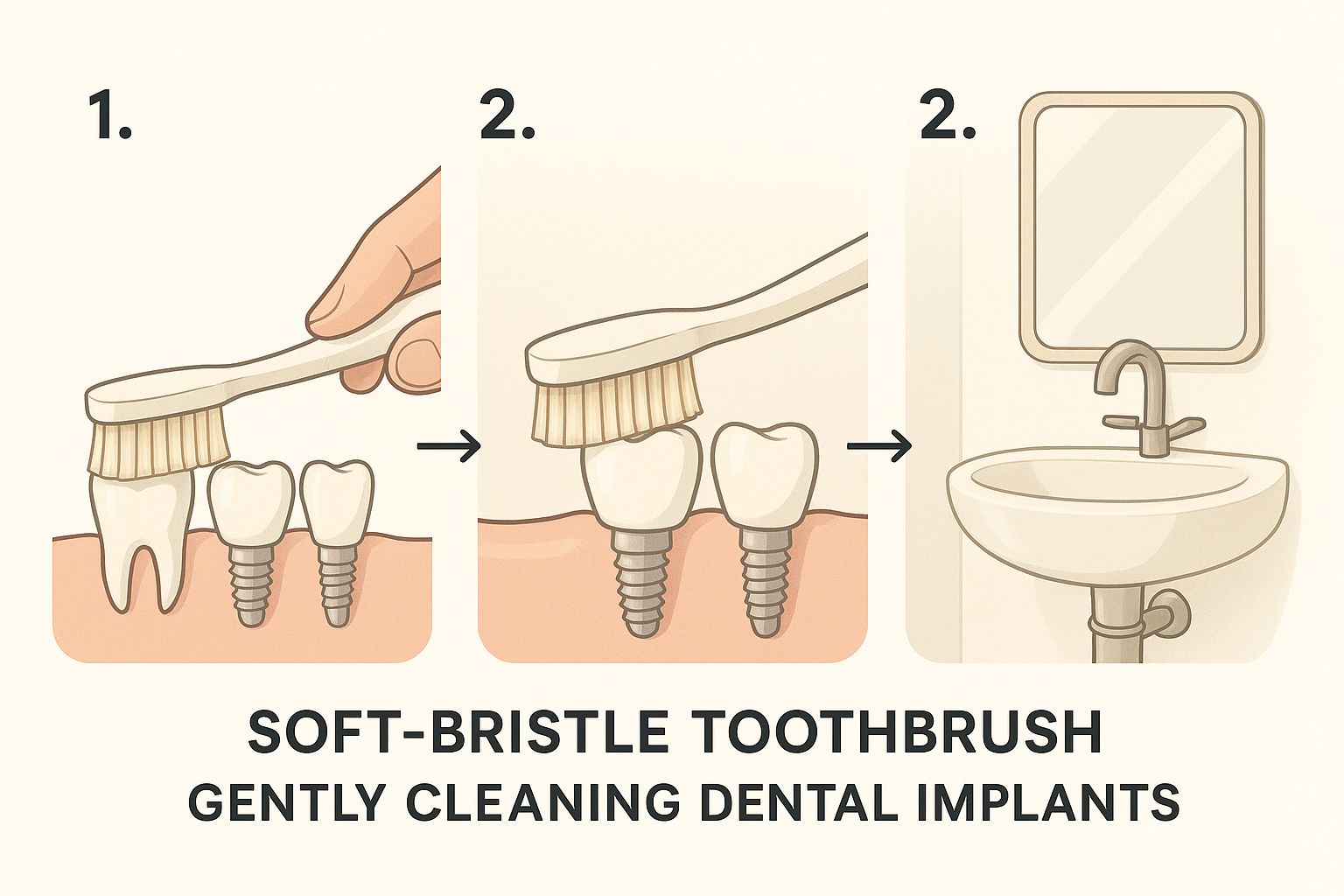
Keeping this connection point clean is crucial for preventing inflammation that can lead to bigger problems.
Cleaning the In-Between Spaces
Cleaning the areas your toothbrush can't reach is just as important. Plaque trapped between your implant and other teeth can cause gum inflammation, which is the first warning sign of implant trouble. The good news is, you have some great tools to clean these spots.
A water flosser is a fantastic tool for your routine. It uses a stream of water to flush out food and bacteria from around the implant. Many of our patients in Renton find it much easier than using traditional floss around an implant.
However, a water flosser doesn't always remove the sticky film of plaque that needs to be wiped away. That's why we often recommend using both floss and a water flosser. First, use a special floss to wipe the implant surface clean. Then, use the water flosser to flush everything out.
Specialized Tools for a Deeper Clean
To get your implant really clean, it's worth getting a few special tools designed for its unique shape.
Interdental Brushes
These are tiny, cone-shaped brushes (sometimes called proxy brushes) that are perfect for cleaning the wider spaces on either side of your implant. They can gently scrub areas a regular toothbrush can't reach.
Implant-Specific Floss
This floss is thicker and has a spongy texture. It’s designed to be threaded under the implant crown to gently wipe the surfaces of the abutment. If you need a refresher on the basics, our guide on how to floss properly has helpful tips.
By combining these simple techniques, you’ll create a powerful daily defense. This consistent care is the best way to avoid problems and keep your smile healthy for years. If you're ever unsure about which tools are right for you, our team at Cedar Dental Group is here to help.
What You Eat Matters: A Diet for Healthy Implants
What you eat plays a big role in protecting your new smile. This isn’t about a strict diet. It’s about making smart food choices to keep your implant—and the bone supporting it—strong and healthy.
Your diet is an active part of your implant's care plan. The right foods help you heal, while being mindful of your choices long-term prevents unnecessary stress and damage.
The First Few Weeks: Your Healing Diet
Right after your surgery, your mouth needs gentle care. The goal is to get plenty of nutrition without disturbing the healing implant. Soft, easy-to-eat foods are best during this time.
Here's what we recommend for the first week or two:
- Smoothies & Protein Shakes: A great way to get nutrients without chewing.
- Yogurt & Applesauce: Cool and soothing for tender gums.
- Lukewarm Soups & Broths: Avoid hot foods. Warm soup is comforting and nourishing.
- Mashed Potatoes, Avocado, or Scrambled Eggs: These are soft and easy to eat.
During this healing phase, it's very important to avoid anything hard, crunchy, spicy, or sticky. This gives the implant a peaceful environment to join with your jawbone.
Beyond Healing: Building Smart, Long-Term Habits
Once you're fully healed and your dentist says it's okay, you can return to a normal diet. But "normal" still means being mindful. Your natural teeth have a tiny cushion that acts like a shock absorber. Implants are fused directly to the bone and don't have this cushion.
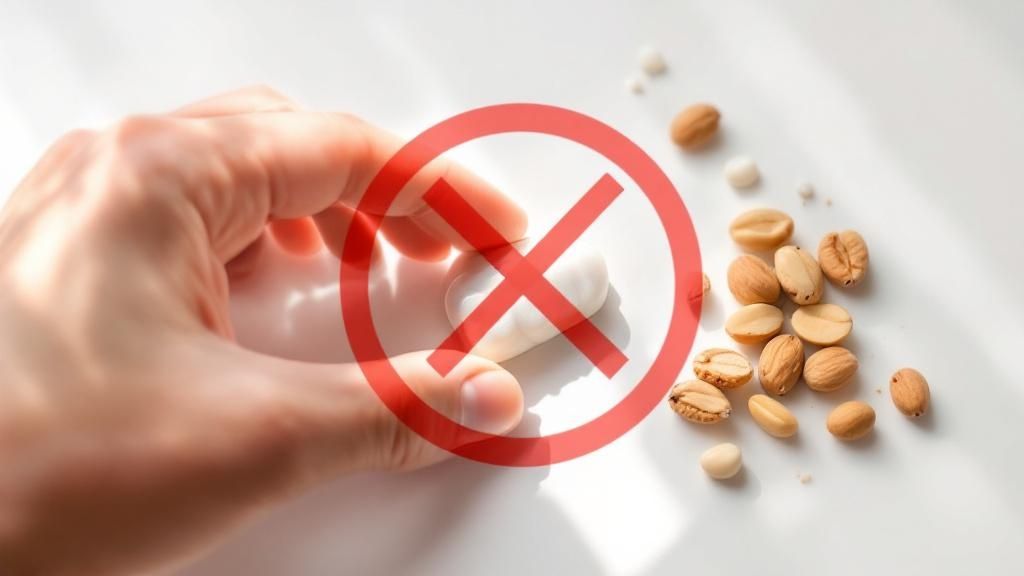
This means any strong force from biting down on something hard goes directly to the implant and bone. Your implant is strong, but it's not a tool. We've seen patients damage their crowns by cracking nutshells, chewing on ice, or opening packages with their teeth.
Foods to Be Smart About
We don't like giving patients a long list of "forbidden" foods. Instead, we encourage you to enjoy certain items carefully.
- Extremely Hard Foods: Think un-popped popcorn kernels, ice cubes, or hard candy. These can create intense pressure that might chip the porcelain of your crown.
- Tough, Chewy Meats: Tough steak can require a lot of grinding, putting stress on the implant.
- Sticky Candies: Taffy and caramels can pull at the crown and stick around the gum line, making it harder to clean.
A sensible diet is one of the best ways to manage daily chewing forces. Research shows that proper post-operative care impacts implant success rates, and diet is a big part of that.
Fueling Your Smile's Foundation
A healthy diet does more than just prevent damage—it nourishes the bone that holds your implant in place. A strong jawbone is the secret to a stable implant that lasts a lifetime.
To keep that foundation solid, focus on getting plenty of calcium and Vitamin D.
You'll find calcium in dairy products and leafy greens like kale. Vitamin D, which helps your body absorb calcium, comes from sun exposure and fatty fish like salmon. These two nutrients work together for bone health. By eating a well-rounded diet, you are caring for your dental implant from the inside out.
Why Professional Check-Ups Are a Must
Your daily cleaning routine is the foundation of a healthy dental implant. However, regular professional check-ups are the essential safeguard for its long-term success. Your efforts at home keep things clean day-to-day, while our team at Cedar Dental Group provides expert oversight to protect your investment.
A common question we hear is, "Why do I need to come in if my implant can't get a cavity?" That's a great question. These visits are about the living tissues—your gums and jawbone—that hold the implant in place. Coming in regularly lets us spot potential issues when they are small and easy to fix.
What to Expect During an Implant Maintenance Visit
If you feel anxious about dental visits, please know that an implant maintenance appointment is gentle and designed for your comfort. Our process is thorough and focused on keeping your implant and the surrounding area in perfect health.
During your check-up at our Renton office, here’s what we’ll do:
- A Detailed Visual Exam: We'll look closely at the implant crown and the gum tissue around it. We search for any signs of redness or puffiness that might signal early inflammation.
- Specialized Professional Cleaning: We use specific tools made from materials like plastic or resin that won't scratch your implant. These tools effectively remove plaque and tartar.
- Checking Your Gum Health: We use a tiny, gentle probe to measure the space between your implant and gums. Healthy readings are a great sign. If we notice these spaces (pockets) are getting deeper, it's a clue that we need to address some inflammation.
This process is a key part of the excellent preventive dentistry we provide in Renton, designed to keep your whole smile healthy.
Assessing Stability and How You Bite
Besides cleaning and checking your gums, we also look at how your teeth fit together. Your bite can change slightly over time, and it’s important that chewing forces are spread evenly. An unbalanced bite can put too much stress on an implant.
We’ll carefully check:
- Implant Stability: We'll make sure there is no movement in the implant post. A successful implant is rock-solid.
- Bite and Alignment: We’ll have you bite down to check how your implant crown meets the opposing teeth. If your bite needs a minor adjustment, we can do that in our office.
- Crown and Abutment Integrity: We check the crown for any signs of chipping or wear and make sure the tiny screw connecting it to the implant is secure.
A regular check-up allows our expert team to solve minor issues before they can harm the health of your beautiful new smile.
The Importance of Routine X-rays
About once a year, we’ll take a dental X-ray of your implant. This simple step gives us a valuable look at what’s happening below the gumline. An X-ray is the only way to see the bone level around the implant post.
This image confirms that the bone is healthy and fully supporting the implant. If there were any signs of bone loss—the main symptom of a serious condition called peri-implantitis—the X-ray would show it right away. This allows us to act fast. These visits provide peace of mind and a smile you can count on for years.
Recognizing Warning Signs and When to Call Us
You are the first line of defense in keeping your dental implant healthy. You see your smile every day, so you're in the best position to notice if something seems off. While implant problems are rare with good home care, catching an issue early is key to a simple fix.
If you notice any changes, don't wait and hope they go away. Our team at Cedar Dental Group in Renton is always here to help. A quick phone call can make all the difference.
Pay Attention to Your Gums
Your gums support your implant. Healthy gums should look firm and pink. They should not bleed when you brush or floss. Any change in their appearance is an early clue that something needs attention.
Keep an eye out for these signs:
- Redness or Swelling: Gums around the implant site look puffy or dark red.
- Bleeding When You Brush: Even a little pink on your toothbrush is a sign of inflammation.
- Tenderness or Soreness: If the area feels sensitive, it’s often a sign of a problem.
These symptoms are often the first signs of peri-implant mucositis. This is a reversible inflammation of the gums around the implant, like gingivitis. The good news is that if we catch it early, a professional cleaning and changes to your home routine can usually fix it. You can learn more about our approach to gum disease treatment in Renton.
Sensations Around the Implant
After healing, your implant should feel completely comfortable. You should forget it's even there. That’s why any new or nagging feelings are worth paying attention to.
Listen to your body if you experience:
- Persistent Discomfort or a Dull Ache: A constant ache around the implant site is not normal.
- Pain When Chewing: Biting down should feel natural. If you feel a sharp pain or unusual pressure, your bite might be off or there could be a problem.
Your implant should feel just like your other teeth. Any persistent pain is a clear signal that it’s time to call us. Please don't try to "wait it out," as early action is always best.
Changes in How the Implant Feels
Your dental implant is anchored directly into your jawbone. The result should be a rock-solid foundation for your new tooth. Because of this, any feeling of movement is a major red flag that needs immediate professional attention.
Call us right away if you notice any of these signs:
- A Loose or Wobbly Feeling: This could be the crown on top or the post underneath. There should be zero movement.
- Difficulty Chewing Properly: If your bite suddenly feels "off," it could mean something has shifted.
- Visible Threads or Metal: You should never see the metal implant post. This means your gums are receding and needs to be checked promptly.
Simply being aware of what’s normal for your smile is a powerful tool. A quick call to our Renton office can give you peace of mind and is the best way to keep your implant-supported smile healthy for life.
Protecting Your Investment for Life
Caring for your dental implant is a long-term commitment. The small habits you build into your daily life—like gentle cleaning, smart food choices, and consistent check-ups—will keep your new smile healthy and strong.
You’ve made a great investment in your health and confidence, and we're here to help you make it last. While the implant itself can't get a cavity, the gums around it need just as much care as your natural teeth. For more on maintaining a healthy mouth, check out our guide on how to prevent cavities.
A Partnership in Your Oral Health
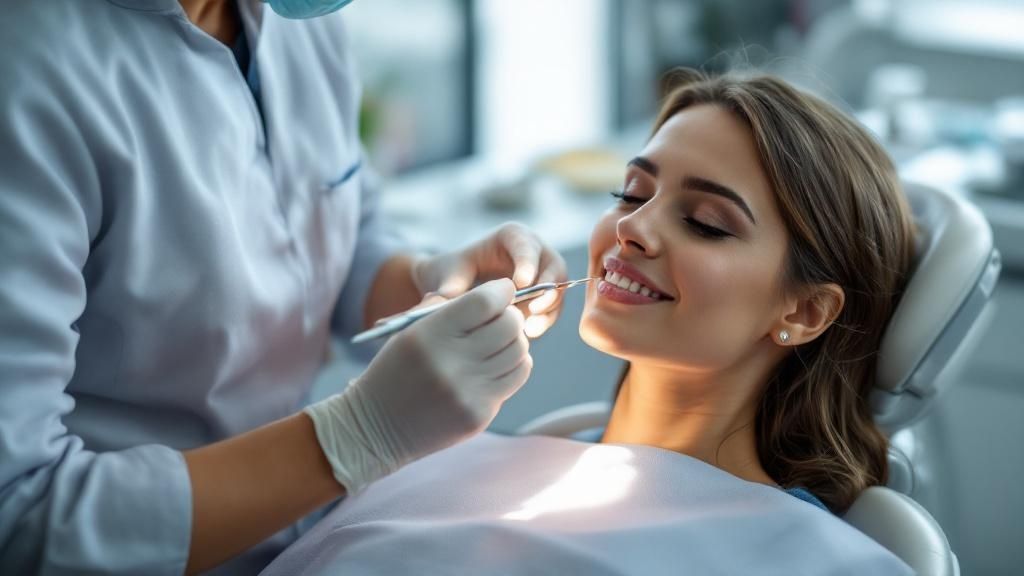
At Cedar Dental Group, our goal is simple: we want you to feel confident and in control of your oral health. When an implant is properly cared for, it feels so natural that many of our patients forget it's even there. That’s the ultimate goal—to let you eat, speak, and smile without a second thought.
If you ever have a question or notice something that doesn't feel right, please don't hesitate to call us. Our door is always open. We're proud to be part of your oral health team and are dedicated to helping you maintain that beautiful, confident smile you deserve.
Your Top Questions About Implant Care, Answered
It's completely normal to have a few questions about your new dental implant. Feeling fully informed is the key to taking care of your new smile with confidence. Here are some answers to common questions we hear from our patients in Renton.
Do I Really Need a Special Toothpaste for My Implants?
No, you don’t need a fancy, implant-specific brand, but you should choose a non-abrasive toothpaste. Many whitening toothpastes contain gritty particles that can create tiny scratches on your smooth porcelain crown. Over time, these scratches can dull the finish and attract bacteria. Our advice is to stick with a gentle, low-abrasion gel. The most important part of your routine is consistent, gentle brushing with a soft-bristled brush.
Can a Dental Implant Get a Cavity?
No, an implant cannot get a cavity. The materials used—titanium and porcelain—are immune to the decay that affects natural teeth. However, the gums and bone around the implant are still at risk. If plaque builds up, it can cause an infection in the tissues holding your implant in place. This condition is the implant equivalent of gum disease and can lead to bone loss. That's why cleaning around the implant is so important.
Is a Water Flosser Better Than String Floss for Implants?
A water flosser is an excellent tool for anyone with implants. It's great for flushing out food particles from around the base of the crown. However, we don't see it as a complete replacement for floss. Think of it as a powerful partner. The water flosser rinses away loose debris, while floss physically wipes away the sticky film of plaque. For the best clean, we suggest using implant-specific floss first, then following up with the water flosser.
How Often Should My Implants Be Checked by a Dentist?
You should have your dental implant professionally checked and cleaned along with the rest of your teeth, which is usually every six months. These appointments are essential for the long-term success of your implant. During these visits, we use special tools that won't scratch your implant. We also check your gum health, the implant's stability, and your bite. An X-ray, usually taken once a year, lets us check the bone level supporting the implant.
What Actually Happens If I Don't Clean My Implant Properly?
Not cleaning your implant properly can lead to problems. It usually starts with peri-implant mucositis, which is gum inflammation around the implant. You might notice redness or bleeding when you brush. At this stage, it's completely reversible with a professional cleaning and good home care. If left untreated, it can turn into peri-implantitis. This is a serious infection that destroys the jawbone holding your implant. The implant can become loose and may eventually need to be removed. This is why daily habits and regular check-ups are so important for a healthy, stable smile.
Ready to ensure your smile gets the expert care it deserves? The compassionate team at Cedar Dental Group in Renton, WA, is here to support you at every step of your dental implant journey. Contact us today to schedule your consultation and experience our patient-centered approach to oral health.
