
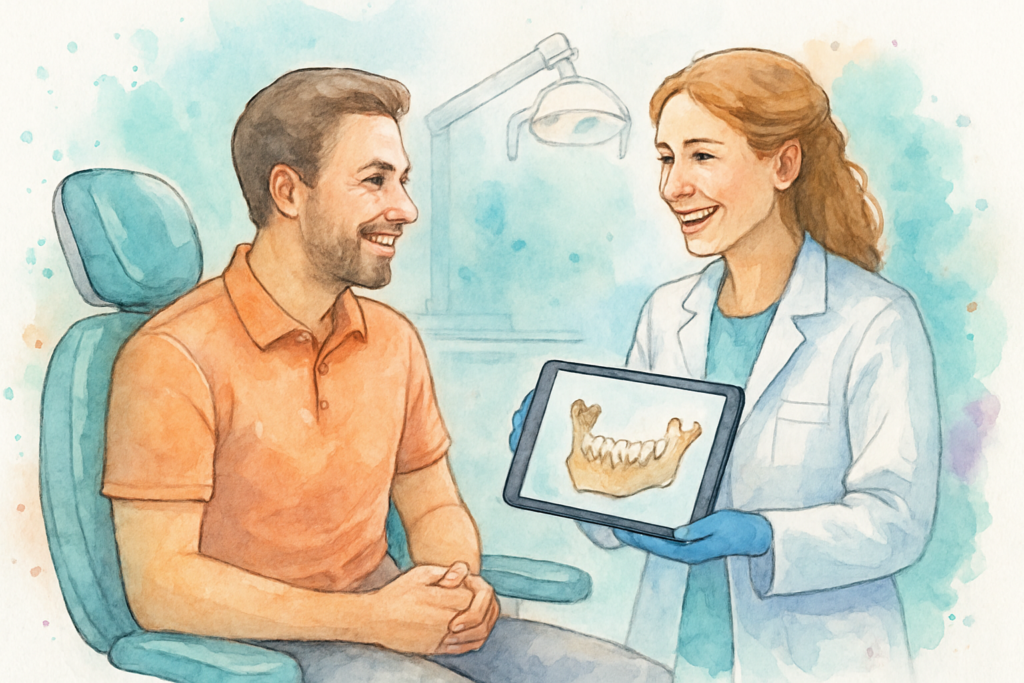
Direct Answer: The right time to start is usually sooner than most patients think. Once a tooth is gone, the jawbone beneath it begins to shrink — and that changes what treatment you’ll need.
A lot of patients come in and say the same thing: “I’ve been thinking about this for over a year.” The tooth is gone, the gap is there, and somewhere between the cost estimate and the uncertainty about next steps, the decision just stalls. That hesitation is completely understandable — but it does have a cost.
The implant process isn’t complicated once you know what it actually involves. What makes it feel overwhelming is not knowing where to start or what the path looks like. This article maps that out clearly so you can make the call with confidence — not guesswork.
We work with patients from Renton, Tukwila, Kent, and across South King County who are at exactly this stage. Some can move forward quickly. Others need a bit of prep work first. The difference comes down to a few specific factors — and how long the dental implant process actually takes depends on which path applies to you.
What the Implant Timeline Actually Looks Like
An implant isn’t a single appointment. It’s a staged process, and understanding the stages is the first step toward knowing when to begin.
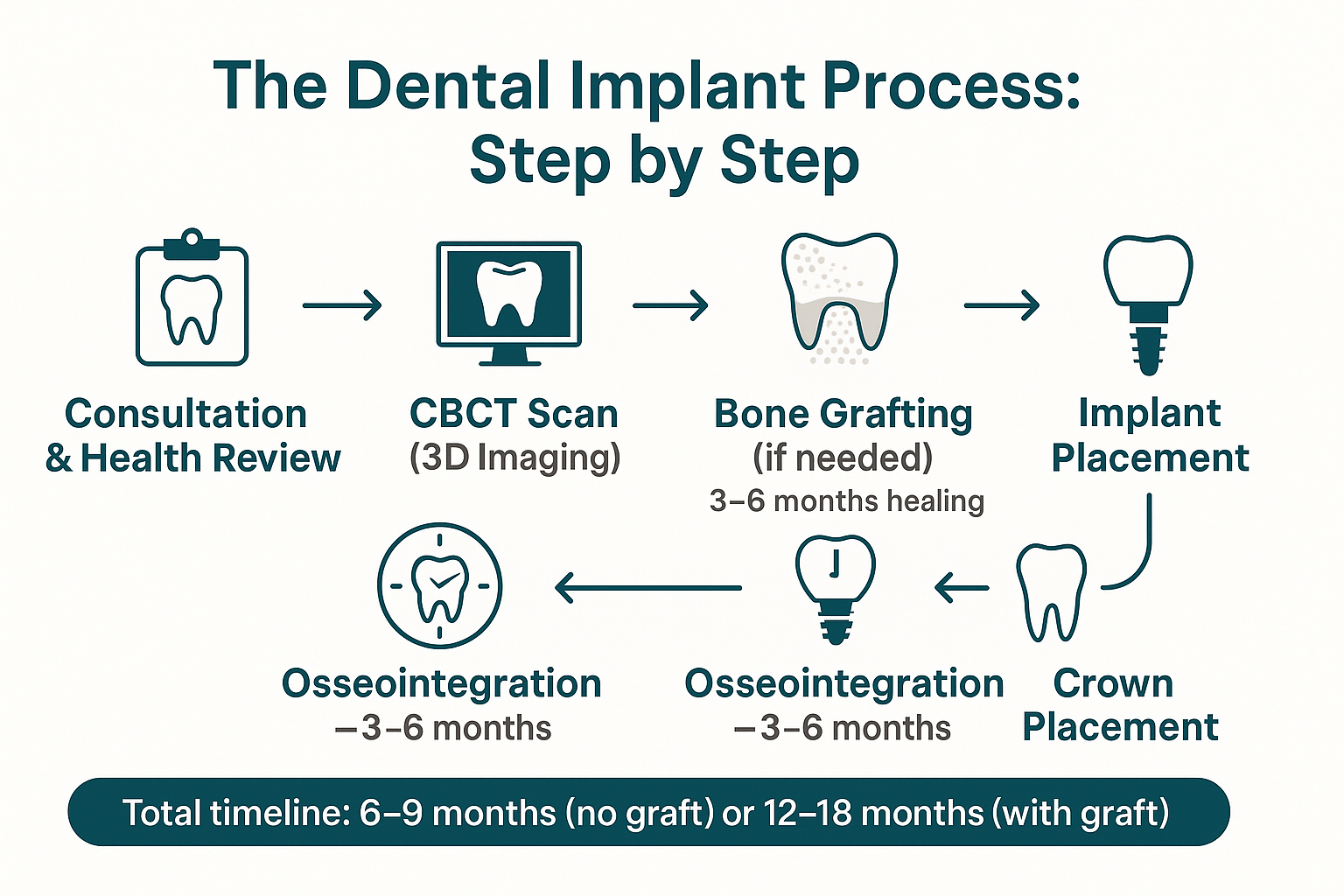
Here’s how the process typically unfolds:
- Consultation and exam — your dentist reviews your health history, takes a close look at the site, and talks through your goals
- CBCT scan (3D imaging) — this is the key step that determines your actual path; it shows bone volume, nerve position, and what’s happening below the surface
- Bone grafting (if needed) — if bone volume is low, grafting is done first; this adds roughly 3 to 6 months to the timeline for healing before placement can happen
- Implant placement — the titanium post is placed into the jawbone under local anesthesia
- Osseointegration (healing period) — the implant bonds with the bone over 3 to 6 months
- Crown placement — the final tooth-shaped restoration goes on top
From start to finish, a straightforward case takes roughly 6 to 9 months. Cases that require grafting can run 12 to 18 months total. Knowing this in advance helps patients plan around work schedules, insurance benefits, and personal commitments — which is exactly why starting the conversation early matters.
The Hidden Variable: Bone Volume
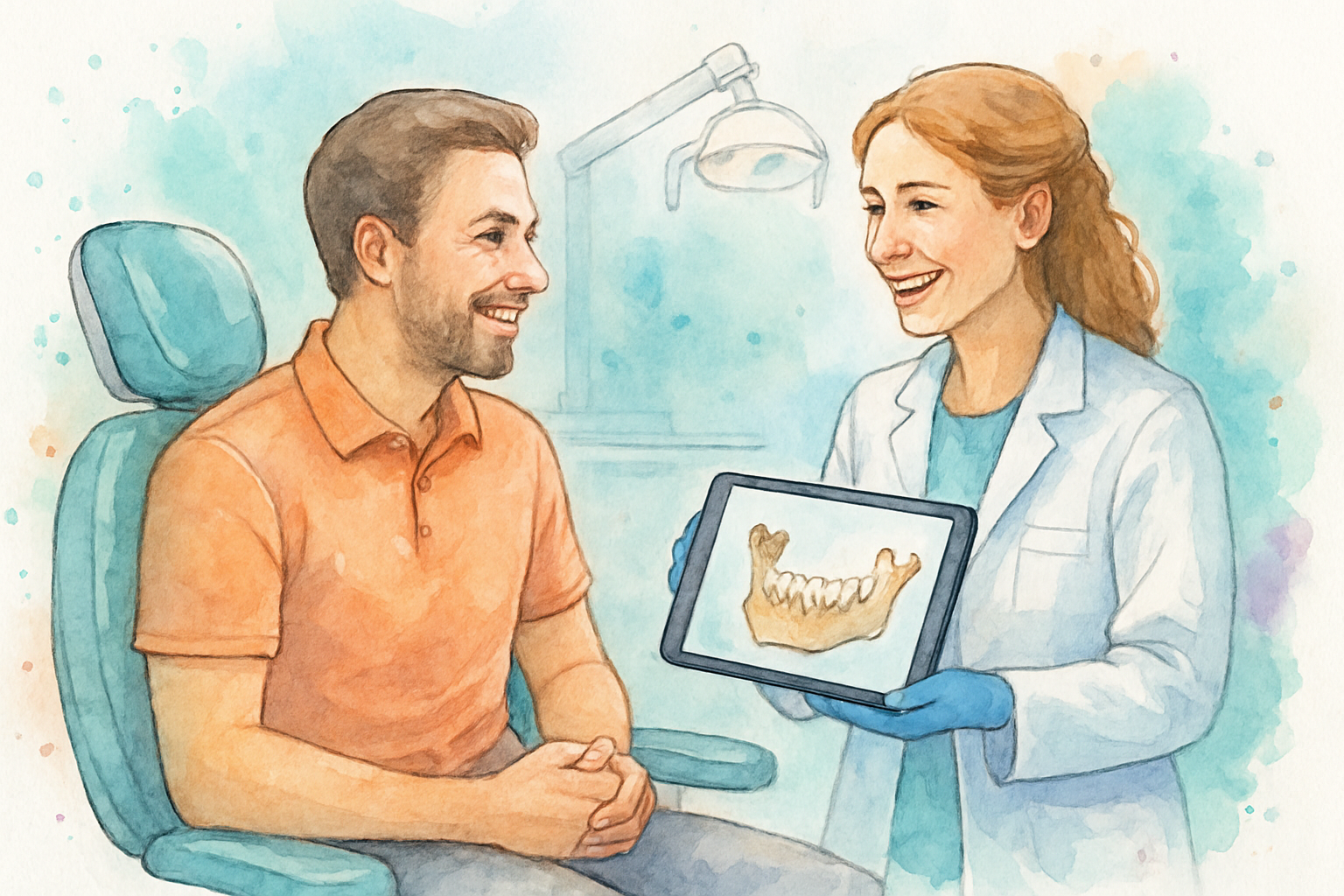
Most patients assume they’ll walk in and get an implant scheduled. But the single biggest factor that determines your path — and your timeline — is how much bone remains at the missing tooth site.
When a tooth is extracted and not replaced, the jawbone at that site begins to resorb. The body stops receiving the stimulation it needs to maintain bone density there, and the ridge gradually shrinks. This process can begin within weeks of extraction and becomes more pronounced over months and years.
If you’ve had a gap for two or more years, there’s a reasonable chance you’ll need bone grafting before an implant can be placed. That’s not a complication — it’s a common part of the process. But it does add time and cost that patients who delay hadn’t originally planned for.
The only way to know where you stand is a CBCT scan, which gives a full 3D picture of the bone structure beneath your gums. No amount of visual assessment at the chair can replace what that scan shows. For patients considering whether a dental implant is the right choice after tooth loss, the scan is what moves the conversation from “maybe” to “here’s your actual plan.”
At Cedar Dental Group, Dr. Jaewon Kim — our board-certified periodontist — reviews bone volume and gum health as part of the implant planning process. Peri-implant tissue health (the gum and bone that will surround the implant long-term) is evaluated before any placement happens, which directly affects how the implant holds up over time.
Implant Path by Bone Volume: What to Expect
Your CBCT scan results generally put you in one of three categories. Here’s what each one typically means for your timeline and treatment.
| Bone Status | What It Means | Estimated Timeline |
|---|---|---|
| Adequate bone volume | Implant placement can proceed without grafting | 6–9 months start to finish |
| Moderate bone loss | Minor grafting or socket augmentation may be needed | 9–12 months depending on healing |
| Significant bone loss | Bone grafting required first; full healing before placement | 12–18 months total |
Why Waiting “Until You Have More Money” Can Cost More
This is the pattern we see most often, and it’s worth being direct about it: delaying the implant process to save money can end up increasing what you spend.
Two things happen while you wait:
1. Bone continues to resorb. A patient who could have gone straight to implant placement today might need $1,500 to $3,500 in bone grafting by the time they return in 18 months. That’s money that wouldn’t have been needed if treatment started sooner.
2. Adjacent teeth can drift. The teeth on either side of a gap will slowly tilt toward the open space. In some cases, this shifts the bite enough to complicate implant placement — or create separate alignment issues that add cost and complexity.
There’s also a practical planning strategy that patients don’t always know about: staging treatment across two calendar years to spread the cost across two insurance benefit periods. If you start the process — scan, consultation, possibly grafting — in the latter part of this year, you may be able to schedule placement or crown delivery in the following year, effectively doubling the insurance coverage you can apply.
For patients who are managing dental costs carefully, finding a dentist that offers payment plans can also help make the total investment feel more workable without pushing the start date out further than necessary.
The Implant Process at a Glance
Here’s a visual summary of the key stages in the dental implant process and what happens at each step.
Why Summer Is a Practical Window to Begin
There’s no medically urgent “best season” for implants. But from a scheduling standpoint, the window between June and August genuinely works in patients’ favor.
Renton-area patients who work in education, healthcare, or industries with slower summer cycles often have more flexibility with weekday appointments. The multi-step nature of implant treatment — where you need several appointments spread over months — is much easier to manage when your calendar has breathing room.
Starting in summer also sets up a smart insurance strategy. If you begin with the consultation, imaging, and any preparatory work in mid-to-late summer, you position placement and restoration to land in the following calendar year — giving you access to a fresh set of annual insurance benefits for the most expensive steps.
By fall, school schedules, year-end work deadlines, and holiday plans tend to crowd the calendar. Patients who intended to start in September often find themselves pushing to January — and at that point, another six months of bone loss has passed.
If you’ve been sitting on this decision, the practical answer is: starting now costs you nothing extra. Waiting longer might.
Frequently Asked Questions About Starting the Implant Process
How do I know if I even have enough bone for an implant?
You won’t know until you get a CBCT scan — a 3D imaging scan that shows the exact dimensions and density of your jawbone at the missing tooth site. A regular X-ray doesn’t give enough detail to answer this question accurately. The scan takes about 10–15 minutes and is typically the second step after your consultation.
What if I need a bone graft first — does that mean the implant might not work?
Not at all. Bone grafting is a routine preparatory step, not a complication. It simply rebuilds the foundation so the implant has sufficient bone to anchor into. Many patients go through this step and end up with excellent long-term implant outcomes. The graft typically needs 3 to 6 months to fully integrate before placement can proceed.
Does having a periodontist involved in implant planning actually make a difference?
Yes, and in a specific way. A board-certified periodontist evaluates the gum tissue and bone surrounding the implant site — not just whether placement is mechanically possible, but whether the tissue environment will support the implant long-term. Peri-implant disease (infection around the implant) is one of the leading causes of implant failure. Having that evaluation built into the planning process, rather than addressed after something goes wrong, changes the risk picture meaningfully.
Can I spread implant costs across two insurance benefit years?
In many cases, yes. Most dental insurance plans reset benefits on January 1st. If you begin treatment in the second half of the current year — covering consultation, imaging, and any grafting — and schedule implant placement and crown delivery in the following year, you may be able to apply benefits from both plan years to the total cost. Ask your dental office to walk through the timing with your specific coverage before committing to a schedule.
What happens to the teeth next to the gap if I wait to get an implant?
Teeth naturally drift toward open space over time. Adjacent teeth can tilt inward, and opposing teeth (above or below the gap) can over-erupt — meaning they shift downward or upward toward the empty space. This can change your bite, make future implant placement more difficult, and in some cases create the need for additional treatment that wouldn’t have been necessary otherwise.
Is the implant consultation different from a regular dental exam?
It’s more focused. The consultation for an implant specifically reviews the missing tooth site, your overall gum health, bone structure, and any medical factors that could affect healing — such as certain medications or health conditions. It’s also the appointment where you’ll get a realistic picture of your timeline and total treatment plan before committing to anything.
Ready to Find Out Which Path Applies to You?
If you’ve had a missing tooth for months — or years — the most useful thing you can do right now is get a clear picture of where things actually stand. A consultation and scan will tell you whether you can move straight to placement or whether some prep work comes first. Either way, you’ll leave with a real plan instead of a lingering question. Call Cedar Dental Group at 425-430-0400 or visit cedardentalgroup.com to schedule your implant consultation.
