

It can be unsettling to look in the mirror and notice your gums seem to be pulling back from your teeth. The good news is that understanding what causes receding gums is the first, most powerful step toward fixing the problem. More often than not, the main causes are things we can control, like gum disease and brushing too hard. Genetics can also play a role.
At Cedar Dental Group, we understand that seeing changes in your smile can be worrying. Our team is here to provide warm, professional guidance to help you feel confident and in control of your oral health.
Understanding Why Your Gums Are Receding
So, what’s actually happening in your mouth? Gum recession is simply when your gum tissue wears away or pulls back. This exposes more of a tooth or, in some cases, its root.
Think of it like a shoreline slowly eroding from a beach. It’s a gradual process, often caused by consistent pressures you might not even notice day to day. While it sounds alarming, it’s a very common dental issue. With the right knowledge and compassionate care, it can absolutely be managed.
And when we say common, we mean it. If you’ve noticed your gums receding, you’re far from alone.
Gum recession affects a huge portion of the global population. In fact, more than two-thirds of people worldwide experience it to some degree. Some studies even report the number is as high as 84.92% when you count even minor recession. (Source: National Institutes of Health)
That high number shows this isn’t a rare condition. It’s a common dental challenge many of us will face. If you’re curious, you can explore the full research on global gum recession to learn more.
The Most Common Causes
While every smile is unique, a few key factors are behind most cases of gum recession. Pinpointing these helps you and your dentist get to the root of the problem and map out a plan.
This chart quickly breaks down the main pathways that lead to gum recession.
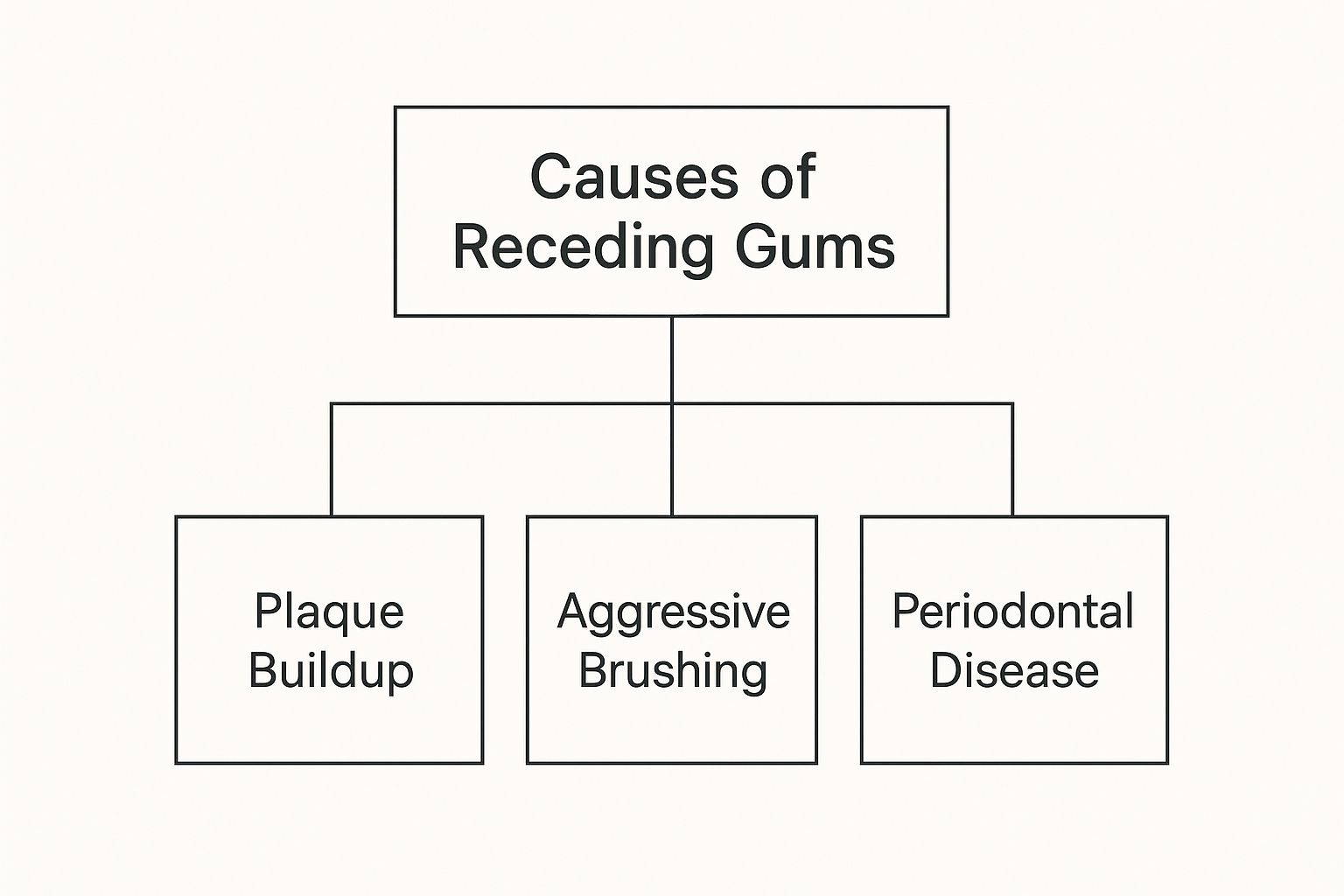
As you can see, plaque buildup, brushing too hard, and gum disease are the foundational causes we see most often.
Let’s break these down a bit further. The main reasons your gums might be pulling back usually fall into one of these categories:
- Periodontal Disease: This is, without a doubt, the number one cause. Bacterial infections create inflammation that slowly destroys gum tissue and the bone that holds your teeth in place.
- Brushing Too Hard: It might seem like a good idea, but brushing with too much force or using a stiff-bristled toothbrush can physically wear down your delicate gum tissue over time.
- Genetics: Sometimes, it’s just in your DNA. Some of us are born with thinner gum tissue, which unfortunately makes us more likely to have recession, even with perfect habits.
Key Causes of Gum Recession at a Glance
To make it even clearer, here’s a quick look at the most common factors. This table helps you quickly identify potential issues in your own routine.
| Category | Specific Cause | How It Contributes |
|---|---|---|
| Oral Hygiene Habits | Brushing Too Hard | Physically wears away delicate gum tissue over time, especially with hard-bristled brushes. |
| Poor Dental Care | Allows plaque to build up and harden into tartar, leading to gum inflammation and disease. | |
| Biological Factors | Periodontal Disease | Bacterial infections destroy gum tissue and the bone supporting your teeth, causing gums to pull back. |
| Genetics | Some people are simply born with thinner, more fragile gums that are more prone to recession. | |
| Lifestyle & Other | Tobacco Use | Restricts blood flow to the gums, making them more vulnerable to infection and unable to heal properly. |
| Teeth Grinding | Puts excessive force on the teeth and gums, which can cause the gumline to recede over time. | |
| Hormonal Changes | Fluctuations during puberty, pregnancy, or menopause can make gums more sensitive and likely to recede. |
Understanding where the problem is coming from is half the battle. Once you know the “why,” you can start focusing on the “how” to stop it.
How Gum Disease Quietly Damages Your Gumline
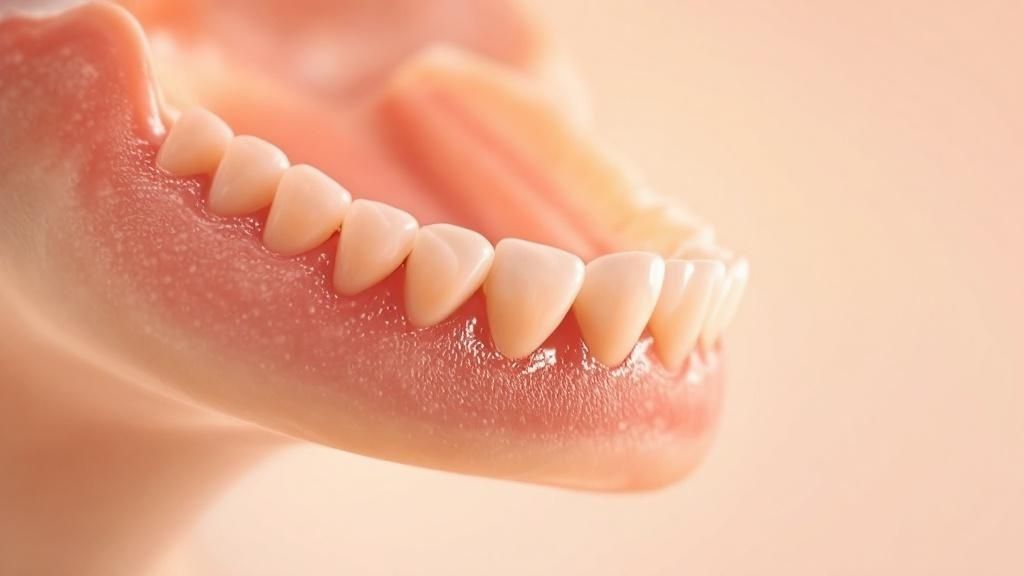
When we look at what causes receding gums, one issue is responsible more often than any other: periodontal disease. Think of your gums as the foundation holding a house—your teeth—in place. Gum disease is like a slow, hidden erosion of that foundation.
It all starts with plaque. Plaque is a sticky, invisible film of bacteria that builds up on your teeth every day. If you don’t brush and floss it away, it hardens into a tough deposit called tartar. Tartar is a major irritant for your gums, triggering the first stage of gum disease: gingivitis.
From Minor Irritation to Major Damage
Gingivitis is your body’s early warning system. You might see some redness, notice a bit of swelling, or find your gums bleeding when you brush. It’s easy to dismiss these signs. But they’re actually your gums telling you they’re under attack from harmful bacteria.
If you ignore these warnings, gingivitis can turn into a much more serious condition called periodontitis. This is where the real damage begins. The infection works its way deeper, creating pockets between your gums and teeth. From there, your body’s immune response and bacterial toxins start to destroy the gum tissue and bone. This destruction is what causes the gums to pull back.
Catching these signs early is absolutely critical. Getting gum disease under control is the most powerful thing you can do to stop gum recession.
Gum disease is a massive global health issue. In the United States, nearly 47% of adults over 30 have some form of it. (Source: Centers for Disease Control and Prevention). Worldwide, the condition affects more than 743 million people.
These numbers, detailed in findings on gum disease as a global epidemic, show just how vital professional dental care is.
Why You Can’t Afford to Ignore It
The change from healthy gums to periodontitis happens so slowly that many people don’t realize there’s a problem until damage is done. But waiting too long can lead to severe gum recession and even tooth loss.
At Cedar Dental Group, we work with patients in Renton, WA, to tackle these issues head-on. Our focus is on catching the earliest signs and providing effective care to bring your gums back to health. Our guide to gum disease treatment options can give you a clearer picture of the path forward. By addressing the infection, you’re taking the best step to protect your smile.
Are Your Daily Habits Harming Your Gums?
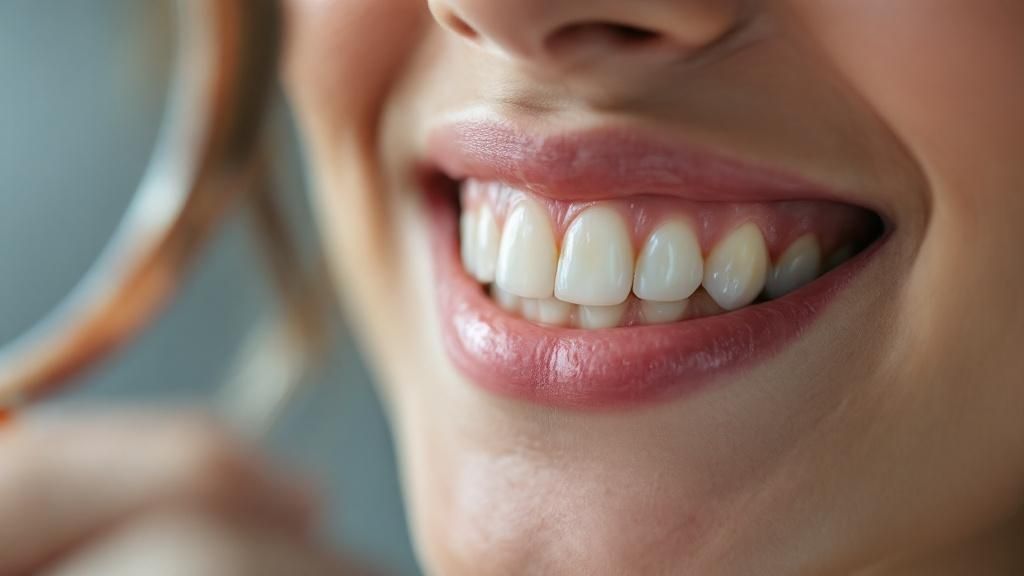
Beyond gum disease, some of the most common answers to what causes receding gums are hiding in our daily routines. These are the habits we do automatically. Over time, their effect can wear away the delicate tissue that protects our teeth.
It’s not about blame, but about awareness. Once you can spot these habits, you can make small, powerful changes to protect your smile.
Brushing Too Hard
It feels like brushing harder should get your teeth cleaner, right? Unfortunately, that’s a big misunderstanding. Brushing with too much force, especially with a hard-bristled toothbrush, can literally scrub your gum tissue away.
Think of it like cleaning a delicate shirt with a rough scouring pad—it will only cause damage. Your gums are tough, but they aren’t invincible. Gentle and thorough cleaning is far more effective and much safer for your gumline.
The goal of brushing is to gently sweep away plaque, not to scrub your gums. A soft-bristled brush and the right technique are your best friends for a healthy gumline.
Tobacco Use and Its Effects
Another major cause is tobacco use. It doesn’t matter if you smoke cigarettes or use chewing tobacco. The impact on your gum health is direct and destructive.
Tobacco products reduce the blood supply to your gums. This starves the tissue of oxygen and nutrients it needs to stay healthy. This makes it harder for your gums to heal and leaves them open to the bacterial infections that cause gum disease.
Teeth Grinding and Clenching
Do you ever wake up with a sore jaw or a headache? You might be grinding or clenching your teeth in your sleep. This is a condition known as bruxism. This habit puts a lot of pressure on your teeth, gums, and bone. Over time, that constant force can cause your gums to pull back.
Making a few simple changes to these daily habits can make a huge difference. Of course, a complete oral hygiene routine is more than just brushing. To protect your smile, you can learn more about how to floss properly.
Unseen Factors Like Genetics and Hormones
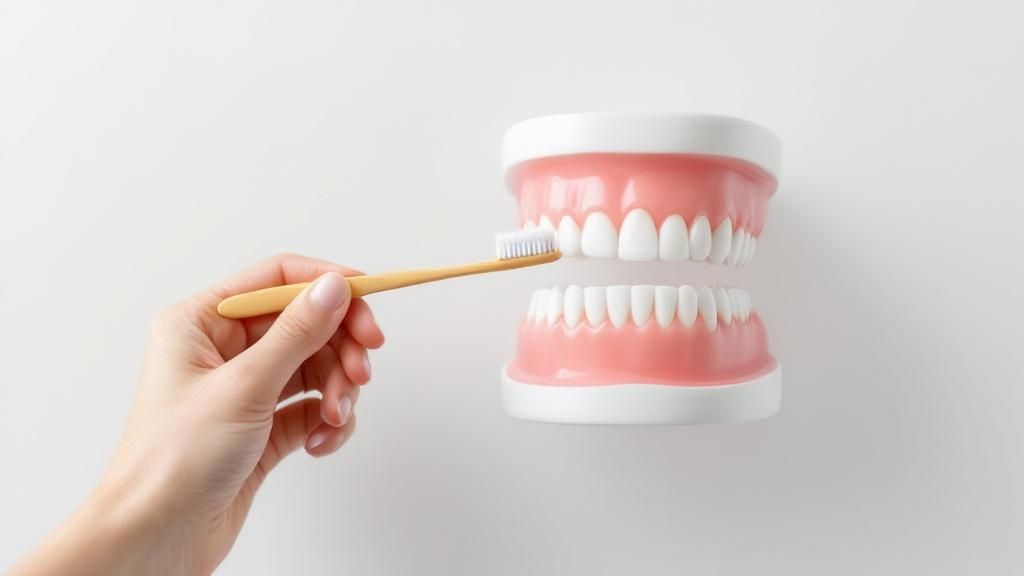
While your daily habits are a huge piece of the puzzle, sometimes gum recession is influenced by factors you can’t control. It’s not about blame; it’s about awareness. Understanding these influences helps you know what to watch for.
Believe it or not, your family tree can have a lot to say about your gum health. Some of us are just born with thinner, more delicate gum tissue. If this sounds like you, your gums might be more likely to recede even if you have a great brushing and flossing routine.
How Your Body’s Blueprint Affects Your Gums
Genetics doesn’t stop at tissue type. The way your teeth are positioned in your jaw can also set the stage for future gum problems.
- Crowded or Misaligned Teeth: When teeth don’t line up perfectly, they can put odd pressure on the gums and bone.
- Cleaning Difficulties: Those crooked spots are also very difficult to clean. Plaque loves to hide in tight spaces, leading to inflammation and gum recession in those hard-to-reach areas.
Think of it this way: if you have fair skin that burns easily, you’re extra careful with sunscreen. It’s the same with your gums. Knowing you’re at higher risk just means you need to be more careful. Sometimes, a sign of hidden plaque can be a bad taste or smell; you can explore this further in our guide on what causes bad breath.
Hormonal Shifts and Gum Sensitivity
Life’s major hormonal shifts can also affect your gums, making them more sensitive. These changes increase blood flow to the gums. This can cause a bigger reaction to even small amounts of plaque.
Women often experience this heightened gum sensitivity during puberty, pregnancy, or menopause. During these times, your gums are more vulnerable. This makes a gentle but thorough oral hygiene routine more important than ever.
Knowing about these underlying factors is empowering. It allows you and your dentist at Cedar Dental Group to work together on a personalized care plan that addresses your unique risks.
Your Action Plan for Preventing Gum Recession
The best news about receding gums? You have a lot of control over preventing them. A solid action plan is your strongest defense, and it all begins with how you care for your teeth and gums every day. The real goal is to be thorough, not aggressive.
A lot of what causes receding gums comes down to our daily habits. Spotty oral hygiene, using tobacco, or a high-sugar diet can all help gum disease thrive. We’re seeing more gum recession partly because people aren’t always aware of the small things they can do for prevention. You can learn more about how these factors contribute to gingival recession and why managing them is so critical.
This proactive mindset is at the heart of everything we do at Cedar Dental Group. We are passionate about giving patients the knowledge they need to take charge of their own oral health.
Master Gentle Oral Hygiene
First things first: let’s rethink how you brush. Scrubbing your teeth doesn’t get them cleaner—it just wears down your gums.
- Switch to a Soft-Bristled Brush: This is a must. A brush with soft bristles is flexible enough to whisk away plaque without being harsh on your gum tissue.
- Use the Proper Technique: Try holding your brush at a 45-degree angle toward your gumline. Use gentle, circular motions to clean the tooth surface right up to the gums.
- Floss with Care: When you floss, guide it carefully between your teeth instead of snapping it down. That snapping motion can cause tiny injuries to your gums that add up over time.
Adopt Proactive Lifestyle Habits
What you do outside of your brushing routine also plays a massive role in protecting your gumline.
A healthy lifestyle is the foundation for healthy gums. When you quit tobacco, eat a balanced diet, and manage stress, you directly reduce inflammation and help your body fight off infections.
Do you grind your teeth, especially at night? This condition, known as bruxism, puts a lot of force on your teeth and gums. A custom-fitted nightguard from your dentist is a simple way to cushion that force while you sleep.
Finally, nothing beats regular professional checkups. These appointments are our chance to spot the earliest signs of trouble. Our entire approach to preventive dentistry in Renton is built on this very principle: stopping problems long before they start.
When to See a Dentist for Your Gums
A solid at-home routine is your first line of defense. But there are times when you absolutely need to call in the professionals. Catching warning signs early is the key to stopping gum recession before it becomes a bigger problem.
So, when is it time to pick up the phone? Keep an eye out for these subtle changes in your smile:
- Your teeth look longer than usual. This is the classic sign. As gums pull back, they expose more of your tooth, making your teeth seem longer.
- You feel a tiny notch at the gumline. Run your fingernail along where your tooth meets the gum. If you feel a little dip, that’s a tell-tale sign of recession.
- Sudden sensitivity to hot or cold. Does your morning coffee or ice water suddenly cause a zing? Exposed tooth roots are far more sensitive than enamel.
Don’t ignore these signals. At Cedar Dental Group, we get that dental anxiety is real. That’s why our Renton practice is a place of comfort and compassion. We’ll figure out what’s causing your gums to recede and work with you on a plan in a completely judgment-free space.
Your oral health is our priority. The goal is never just to treat a symptom, but to restore your long-term health, comfort, and confidence in your smile.
Think of us as your partners in oral health. While a bad toothache is an obvious reason to call, knowing you have access to emergency dental services for any unexpected problem can offer real peace of mind. We’re here to help you get your smile back on track.
Frequently Asked Questions About Receding Gums
It’s completely normal to have questions when you notice your gums are receding. Here are some of the most common concerns we talk about with our patients.
1. Can receding gums grow back?
No, gum tissue does not grow back on its own once it’s gone. However, treatments like gum grafting can cover the exposed roots. This protects them from damage and restores a healthier, more natural-looking gumline. The first step is always to stop the recession from getting worse.
2. Why are my gums so sensitive all of a sudden?
That sharp, zinging pain from hot or cold is a direct result of gum recession. The root of your tooth, which is normally covered by gums, is made of a softer material than the crown. When roots are exposed, tiny tubes that lead to the tooth’s nerve are also exposed, causing sensitivity.
3. Will an electric toothbrush make my recession worse?
When used correctly, a modern electric toothbrush can actually help fight gum recession. Many models have a built-in pressure sensor. This feature warns you if you are pushing too hard, which is a major cause of gum wear. It helps you break the habit of aggressive brushing.
4. Is gum recession a sign of poor health?
While poor oral hygiene is a major cause, gum recession isn’t always a sign of poor overall health. Factors like genetics, hormonal changes, and even teeth grinding can contribute. It’s a specific dental issue that requires targeted care.
5. What is the first step to treat receding gums?
The very first step is to schedule an appointment with your dentist. A professional evaluation is needed to determine the exact cause of your gum recession. From there, we can create a personalized treatment plan, which may include a deep cleaning, changes to your home care routine, or other procedures.
Ready to take control of your gum health? The team at Cedar Dental Group is here to give you personalized advice in a comfortable, supportive setting. Contact us today to schedule your consultation in Renton, WA.
