

So, you have a new dental crown. Congratulations! This is a wonderful investment in your smile and health, designed to protect your tooth and keep it functioning beautifully for many years to come.
Your New Crown and What to Expect
Getting a crown is a very common procedure, and you're in good company. You're joining around 15 million adults in the U.S. who have one. It's a trusted solution for restoring teeth that have been damaged or weakened, giving them a new lease on life. You can explore the benefits of dental crowns to see just how much they can do.
Here at Cedar Dental Group, we know that any new dental work, even a perfectly fitted crown, can feel a bit unusual at first. We want to walk you through what's completely normal as you get used to it and reassure you that we're here to help every step of the way.
The First Few Days
Don't be surprised if you notice a few temporary changes in the first few days. Your mouth is simply adjusting to something new, and this is a normal part of the process.
Here’s what you might experience:
- Mild Sensitivity: A little sensitivity to hot or cold drinks around the crowned tooth is normal. The tooth and gums just need a few days to settle down after the procedure.
- A Different Bite: Your bite might feel slightly "off" for a day or two. Your mouth is incredibly perceptive, but this sensation almost always disappears within a week as your bite adjusts.
- Awareness of the Crown: You might be conscious of the crown in your mouth when you talk or eat. This is very common, and the feeling will fade quickly as the crown becomes just another one of your teeth.
A great dental crown doesn't just fix a tooth; it restores your confidence. While its main job is restorative, the cosmetic perks—like being perfectly color-matched to your other teeth—are a huge part of what makes you feel great about your smile.
Rest assured, these initial sensations are temporary. We spend a lot of time making sure your crown's fit is precise. However, if your bite continues to feel off or if you have any sensitivity that lingers, please give our Renton, WA office a call. We're here to make sure you're completely comfortable.
Building Your Daily Crown Care Routine
Think of your new dental crown as a high-quality restoration that needs the same—if not slightly more—attention as your natural teeth. You've made an investment in your smile, and a few simple adjustments to your daily routine are all it takes to protect it for the long haul. The real secret to a crown's longevity lies in keeping the area where it meets your gum line clean and free of plaque.
Brushing: It’s All About the Technique
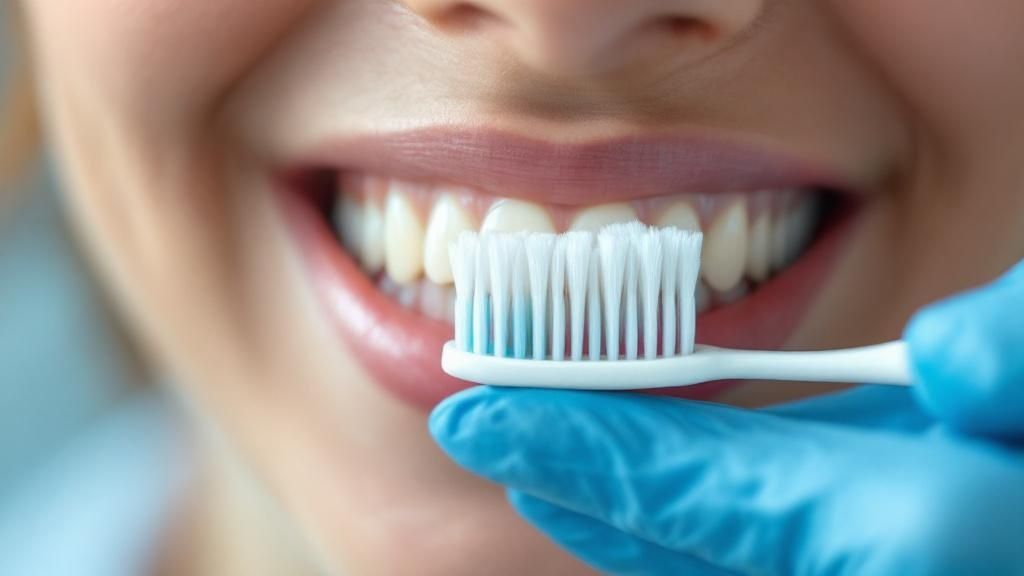
Your toothbrush is your primary tool here. At Cedar Dental Group, we always recommend using a soft-bristled toothbrush. Anything harder can be too aggressive, potentially causing microscopic scratches on a porcelain crown or, more commonly, irritating the gums around it. Over time, that irritation can lead to recession, which is something we want to avoid.
When you're brushing, don't just scrub back and forth. Focus on that critical spot where the crown edge meets the tooth, known as the margin. This is where plaque loves to hide. Use small, circular motions to gently but effectively clean this junction.
Perfecting Your Flossing Technique
If you have a crown, flossing isn't optional—it's essential. This is your best defense for cleaning the tight spaces your brush just can't get into. The key, however, is to do it correctly so you don't accidentally dislodge or damage the crown. Never snap the floss down between your teeth.
Here’s the right way to do it:
- Gently slide the floss between the crowned tooth and its neighbor.
- Once it's below the contact point, curve the floss into a "C" shape against the side of the crown.
- Move it up and down, cleaning the side of the crown and dipping just below the gum line.
- When you're done, lift the floss up and out from between the teeth instead of pulling it out to the side.
This slight change in technique makes a world of difference. For a more detailed walkthrough, we've put together a guide on how to floss properly that can help you master this skill.
The most vulnerable area of any crown is where it meets the gum line. Consistent, gentle cleaning in this specific spot is the single best thing you can do to prevent the decay and gum issues that threaten a crown's lifespan.
To round out your routine, we recommend a non-abrasive fluoride toothpaste to keep the underlying tooth strong and an antiseptic mouthwash to reduce bacteria throughout your mouth.
To help you stay on track, here is a straightforward checklist for your daily care.
Daily Dental Crown Care Checklist
| Action | Frequency | Key Tip |
|---|---|---|
| Brush Gently | 2 times per day | Use a soft-bristled brush and focus on the gum line. |
| Floss Correctly | At least 1 time per day | Use the C-shape method; don't snap the floss. |
| Use Fluoride Toothpaste | 2 times per day | Helps protect the natural tooth under the crown. |
| Consider Mouthwash | 1-2 times per day | Reduces plaque-causing bacteria in your whole mouth. |
Sticking to these simple steps is your at-home part of the equation for long-term success.
The infographic below shows how your daily efforts are complemented by the professional care we provide.
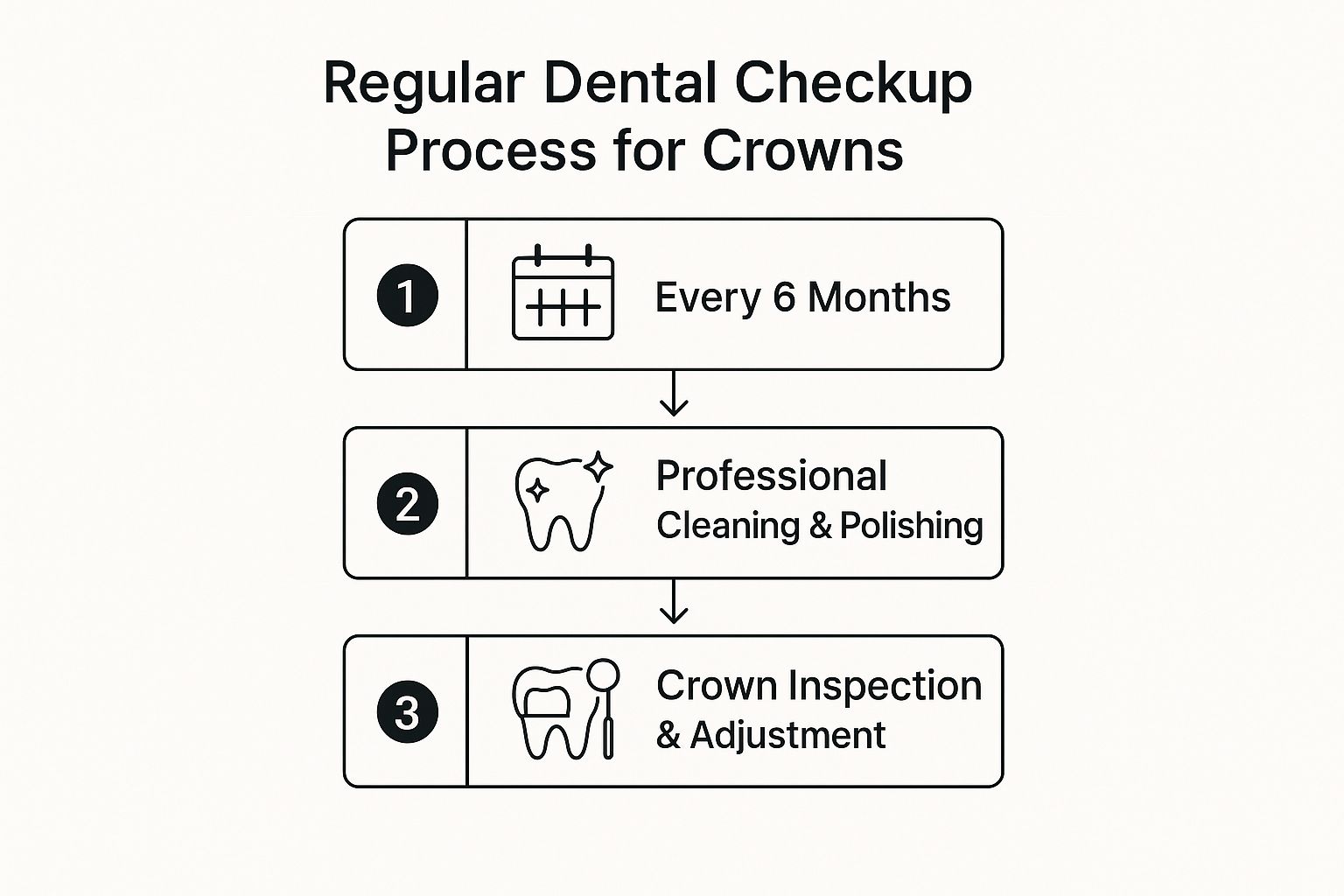
Think of it as a partnership. Your daily habits, combined with regular check-ups here at Cedar Dental Group, are what will keep your crown looking and feeling great for years to come.
What to Eat and Habits to Avoid with a Crown
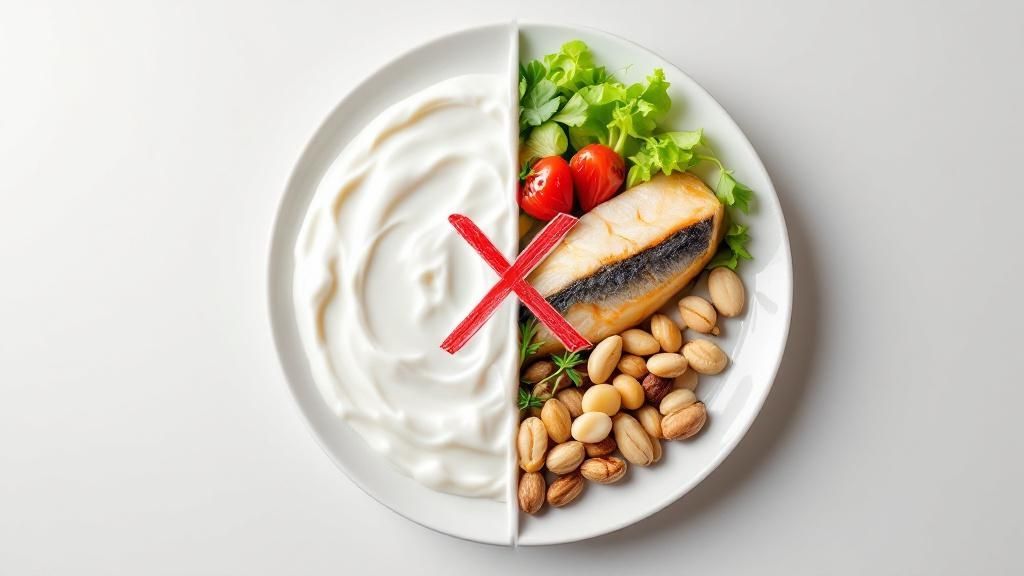
Your new crown is built tough. It’s made from incredibly strong materials designed for the daily grind of chewing. But it’s not indestructible. Being a little careful with certain foods and habits is the best way to protect your investment and keep your crown looking and feeling great for years to come.
Think of it this way: some foods are just trouble for dental work. The biggest culprits are extremely hard items—things like ice cubes, hard candies, or nutshells. Biting down on these can create a sudden, sharp pressure point that might chip or, in a worst-case scenario, fracture the porcelain.
Sticky and chewy foods pose a different kind of threat. Taffy, caramels, and super-chewy gummies can grab onto the crown and create a pulling force. Over time, this constant tugging could potentially loosen the bond holding your crown in place. This doesn't mean you need to live on soft foods forever. It's really about being smart with how you eat.
It's not about giving up the foods you love, but simply adjusting how you enjoy them. Instead of biting straight into a crisp apple with your front teeth, just cut it into slices first. This small change makes a huge difference by minimizing the stress on your crown.
A little mindfulness goes a long way. You can still enjoy a rich, varied diet without putting your dental work in jeopardy. That's what effective crown care is all about.
Ditching Habits That Can Damage Your Crown
Sometimes, it’s not what you eat, but what you do with your teeth that causes the most damage. We all have little habits we don't even think about, but with a crown, the consequences can be more serious.
These are the big ones we see all the time:
- Using Teeth as a Third Hand: We get it, it's convenient. But please, don't use your teeth to open plastic bags, tear off tape, or snip a loose thread. A slip is all it takes to chip your beautiful new crown.
- Nail-Biting: This repetitive, grinding pressure is bad for all your teeth, but it puts extra stress on the edges of a crown, leading to wear and tear.
- Chewing on Inanimate Objects: Mindlessly chewing on a pen cap, pencil, or your glasses while you're concentrating can create focused stress points that may cause tiny fractures to develop over time.
The most serious threat, however, often happens when you’re asleep. This is bruxism, the clinical term for teeth grinding. Many people have no idea they do it. They clench and grind their teeth all night, subjecting their crowns and natural teeth to incredible forces.
Do you often wake up with a sore jaw, a dull headache, or just a general feeling of tenderness in your teeth? Those are classic signs of bruxism.
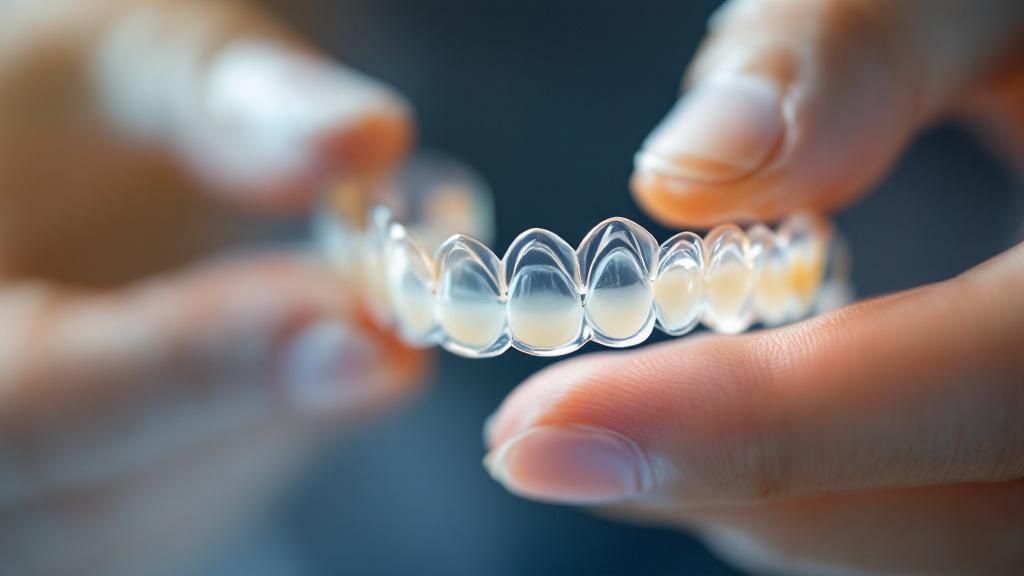
If any of that sounds familiar, it's crucial that you bring it up with us at Cedar Dental Group. We can take a look and, if needed, create a custom-fitted nightguard. Think of it as a protective cushion. It absorbs all that grinding pressure, saving not only your crown but the rest of your teeth from unnecessary wear and damage.
Knowing When Your Crown Needs a Dentist's Help
A dental crown is a fantastic, long-lasting solution, but it's not invincible. Think of it as a partnership between you and your dental team in Renton, WA. Your daily care is crucial, but you're also the first person who will notice if something feels off. Trust that instinct.
Being tuned in to subtle changes in your bite or smile can stop a small annoyance from turning into a major headache down the road. If something with your crown suddenly feels different, it's time to pay attention.
Telltale Signs That It's Time for a Check-up
Some symptoms are your mouth's way of sending up a flare. If you experience any of these, it's a clear sign you should give our Renton office a call:
- Sudden Sensitivity: A little sensitivity right after getting a crown is one thing, but a brand-new ache when you sip your morning coffee or enjoy a bowl of ice cream is another. This could point to a problem.
- Pain When You Bite Down: A sharp jolt or even a dull, persistent ache when you chew is not normal. It might mean the crown's alignment is off, or there could be an issue with the tooth underneath.
- A Loose or Wiggly Feeling: Your crown should feel as solid as your other teeth. Any movement, no matter how slight, means the dental cement isn't doing its job anymore and the crown needs to be reattached.
- Visible Damage: Gently run your tongue over the crown's surface. Do you feel any rough spots, sharp edges, or little chips? That's damage that needs a professional eye.
Don't forget to look at the gums surrounding your crown. If you see redness, puffiness, or bleeding when you brush, it could be an early warning of gum inflammation or a poor fit.
Even with perfect home care, crowns don't last forever. While many last 15 years or more, about 5-15% of crowns may need to be replaced within 10-15 years, often because of decay at the margin where the crown meets the natural tooth. (Source: Journal of Prosthetic Dentistry). This is exactly why regular professional check-ups are so important. You can discover more insights about crown longevity and industry data.
Catching these issues early is always the best move. Getting prompt attention allows us to fix the problem, whether that means a simple bite adjustment, re-cementing the crown, or providing other care. Our general dentistry services in Renton are here to keep your entire smile, including your dental work, in top shape.
When in doubt, always reach out. It’s much better to have it checked and find out it's nothing than to wait and let a small issue escalate.
Why Regular Dental Visits Are Non-Negotiable for Your Crown
Think of your at-home care as the daily maintenance for your dental crown. It's absolutely crucial. But your regular dental visits? That's the professional tune-up that protects your investment for the long haul. A visit to Cedar Dental Group is much more than a simple cleaning; it’s a detailed inspection to ensure your crown remains stable, functional, and healthy.
Even the most diligent brushing and flossing can’t touch hardened tartar. That’s where our professional team comes in. Tartar loves to build up right at the base of the crown, where the porcelain meets the gumline, and that buildup can lead to irritated gums and bigger problems down the road.
What We're Really Looking for During Your Check-up
When you're in the chair, our team isn't just giving your teeth a polish. We're performing a meticulous assessment, looking for tiny, subtle signs of trouble that you'd never be able to spot on your own. Catching these things early is the key to preventing major headaches later.
Here's what our trained eyes focus on:
- The Crown Margins: We meticulously check the seam where your crown meets your tooth. Any microscopic gap is a potential entry point for decay, so we make sure that seal is airtight.
- Your Bite and Alignment: How your teeth come together matters. We'll check your bite to ensure pressure is distributed evenly. Too much force on one spot can lead to chips or even a fracture.
- Gum Health: The health of the gums around your crown tells us a lot. We look for any redness, swelling, or recession, which could signal an issue with the crown's fit or hidden plaque.
This proactive mindset is at the heart of our patient-centered care. It's all about keeping your smile healthy and ensuring your dental work stands the test of time.
Think of your regular dental check-ups as an insurance policy for your crown. By catching problems when they're small, we can often make simple adjustments that save you from needing more complex and expensive repairs.
It's no surprise that the demand for quality dental work is on the rise. The global dental crowns and bridges market is expected to grow significantly, a testament to how valuable these restorations are. (Source: Fortune Business Insights). Your routine visits are the single best way to protect this important part of your smile.
FAQs: Your Top Questions About Dental Crown Care
Getting a new dental crown is a big step, and it's completely normal to have questions as you get used to it. Here are some clear, straightforward answers to the most common queries we hear from our patients at Cedar Dental Group.
What happens if my temporary crown falls off?
First, please don't panic. This is not a dental emergency, but it does require attention. The most important thing is to call our Renton, WA office right away so we can schedule a time to re-cement it for you and protect the underlying tooth. You can often gently slide it back on with a dab of denture adhesive or toothpaste, but this is only a temporary fix until you can see us.
Can my tooth still get a cavity under the crown?
Yes, this is an important question. While the crown itself is impervious to decay, the natural tooth underneath is not, especially at the margin, which is where the crown meets the tooth. Plaque can accumulate here, so your daily brushing and flossing are absolutely essential to prevent new decay from forming and compromising the crown.
Is some sensitivity normal with a new crown?
Yes, a little sensitivity to hot and cold temperatures is perfectly normal for the first few days after your procedure. Your tooth and gums are simply adjusting. However, if the sensitivity is severe, lasts longer than a week, or you feel a sharp pain when you bite down, please call us. It often means a simple, painless bite adjustment is needed. We understand dental anxiety and are here to help; you can find helpful advice on how to overcome dental anxiety on our site.
Do I need to buy special floss or toothpaste?
No special products are required, but wise choices help. We recommend a non-abrasive toothpaste with fluoride to protect your crown's finish and strengthen the natural tooth. For flossing, the technique is more important than the brand. Be gentle, and consider a water flosser as a helpful addition, but not a replacement, for traditional floss.
How do I know if my crown needs to be replaced?
With good care, a dental crown can last for 15 years or even longer. During your regular check-ups at our Renton office, we carefully inspect your crown for wear, damage, or changes in fit. Between visits, you should call us if you notice the crown feels loose, see a dark line at the gumline, or experience any new or unusual pain.
Ready to improve your smile? Contact Cedar Dental Group in Renton, WA today to schedule your consultation. We are here to help you maintain your dental health with a gentle, professional touch.
