

Yes, they do! Clear aligners fix much more than just crooked teeth. While they are famous for creating straight, confident smiles, their most important job is often correcting functional problems with your bite. Modern aligners are advanced tools designed to improve everything from jaw comfort to your overall oral health.
More Than a Pretty Smile: The Hidden Power of Clear Aligners
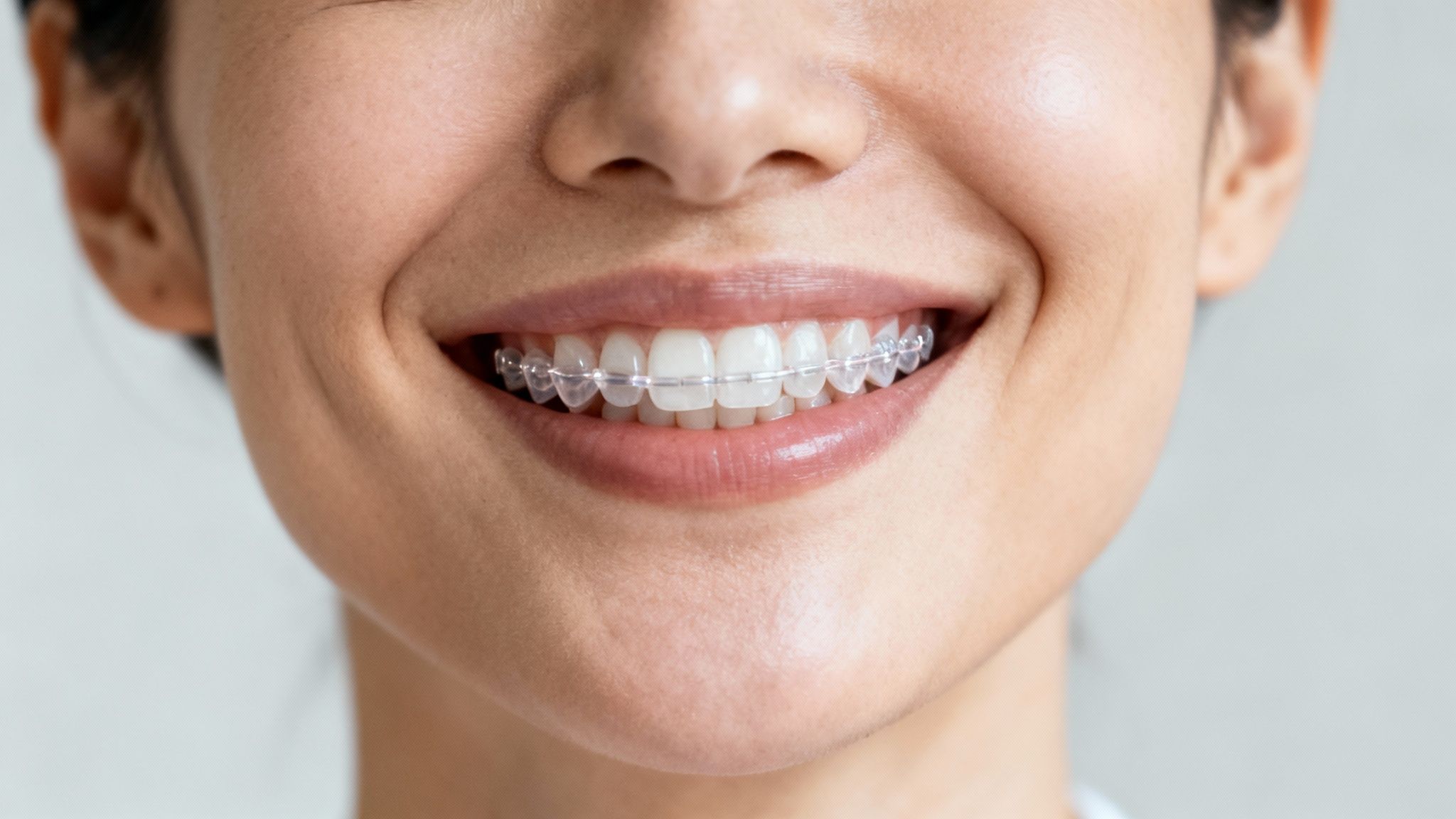
When people hear "clear aligners," their first thought is usually about looks. It’s easy to think the treatment is just for appearances—a way to get a perfectly aligned, camera-ready smile. But many people delay treatment thinking “it’s just for looks,” missing the real reason dentists often recommend them: to build a healthier, more functional bite that lasts a lifetime.
Think of your smile like a machine. If the gears—your teeth—don't fit together properly, the whole system is put under extra stress. This misalignment can lead to problems that go way beyond how your smile looks in pictures.
From Cosmetic Fix to Comprehensive Care
The way we think about clear aligners has changed a lot. What started as a discreet option for minor straightening has become a powerful orthodontic solution. In fact, the demand for clear aligners is growing as more people recognize their significant health benefits.
This shift is driven by huge advances in 3D imaging technology and materials. These improvements allow us to fix complex bite problems, spacing issues, and other misalignments that once required metal braces. The clear aligner market is expected to grow from USD 8.09 billion in 2025 to USD 66.78 billion by 2033, showing a big move toward whole-health treatment. (Source: straitsresearch.com).
What Clear Aligners Fix Beyond the Surface
Many issues people see in the mirror are actually signs of a deeper, functional problem. The great thing about aligners is that they are designed to fix the root cause, not just the cosmetic concern.
Here’s a quick look at how what you see connects to what we fix.
| What You See (Cosmetic Concern) | What You Feel (Functional Problem Aligners Can Fix) |
|---|---|
| Gaps between teeth | Uneven bite pressure and places for food to get trapped. |
| Crowded or overlapping teeth | Hard to clean, leading to a higher risk of cavities and gum disease. |
| Upper teeth jutting out (Overbite) | Extra wear on front teeth and potential jaw strain. |
| Lower teeth sticking out (Underbite) | Difficulty chewing and uneven tooth wear. |
| Teeth don't line up (Crossbite) | Can lead to jaw pain, TMJ issues, and uneven wear. |
This table helps show how a straighter smile is a direct result of a healthier, better-functioning bite.
What Aligners Really Accomplish
It’s common for patients to put off treatment because they think their crooked teeth are "just for looks." In reality, clear aligners are engineered to solve functional problems first—the beautiful smile is a fantastic bonus.
Here’s what they are truly designed to correct:
- Bite Problems: Aligners are excellent at correcting overbites, underbites, and crossbites. This helps spread chewing force evenly across all your teeth.
- Jaw Strain: A corrected bite reduces tension on your jaw muscles. For many people, this can bring relief from chronic headaches or TMJ pain.
- Uneven Wear: Properly aligned teeth wear down evenly, which protects your enamel and helps prevent future chips or cracks.
- Improved Hygiene: Straight teeth are simply easier to brush and floss. This lowers your risk of cavities and gum disease.
At Cedar Dental Group, we focus on the "why" behind your treatment. Dr. Chu makes sure you understand exactly how your personalized aligner plan will improve not just the look of your smile but its long-term health. If you're new to the idea, you can get a great overview in our guide on what clear aligners are and how they work.
Why Your Bite Is a Big Deal for Your Health
Have you ever wondered why your dentist focuses so much on how your teeth fit together? Your "bite," which we call occlusion in dentistry, is the foundation of a healthy smile. When it's misaligned, it can start a chain reaction of problems that affect your daily comfort and overall health.
A bad bite, or malocclusion, means your upper and lower teeth don't meet correctly. Imagine gears that are slightly off. Instead of working smoothly, they grind and clash, putting stress on the whole system. This constant strain can lead to issues you might never connect back to your teeth.
The Domino Effect of a Bad Bite
When your bite is out of alignment, chewing puts uneven pressure on your teeth. Some teeth end up taking a much heavier load than they were designed for. Over time, this imbalance can lead to uncomfortable and sometimes painful symptoms.
Some of the most common problems from a poor bite include:
- Chronic Headaches: The muscles in your jaw, face, and neck are all connected. When your jaw is constantly straining to make up for a bad bite, that tension can become a frequent trigger for headaches.
- Jaw Pain and TMJ Disorders: A misaligned bite forces the temporomandibular joint (TMJ) in front of your ear to work overtime. This can lead to clicking, popping, and persistent pain in the jaw area.
- Premature Tooth Wear: Teeth that crash into each other instead of fitting together nicely will wear down much faster. This can cause chipping, cracking, or flattened chewing surfaces.
- Gum and Bone Issues: Uneven pressure also stresses the gums and bone that hold your teeth in place. This can contribute to gum recession and other serious issues. To learn more, you can explore the link between gum disease and chronic illness.
A properly aligned bite isn’t just about comfort; it's a proactive step for your long-term oral health. Correcting these issues early helps prevent more complex and costly dental problems later.
Understanding Different Bite Problems
Malocclusion shows up in a few common ways, many of which can be fixed with clear aligners.
- Overbite: This is when your upper front teeth overlap your lower front teeth too much. A deep overbite can cause extra wear on the lower teeth and strain your jaw.
- Underbite: The opposite of an overbite. Here, the lower teeth stick out past the upper teeth. This can make chewing difficult and lead to uneven tooth wear.
- Crossbite: This happens when some of your upper teeth bite down on the inside of your lower teeth. A crossbite can lead to chipped teeth and uneven jaw growth if not addressed.
Fixing your bite is about more than just a pretty smile—it's about restoring balance to your entire oral system. You might be surprised to learn how your teeth can affect your overall health, and getting your bite right is a huge part of that.
How Clear Aligners Solve Deeper Dental Problems
It’s one thing to know a bad bite can cause problems, but it's another to understand how clear aligners actually fix them. These aren't just plastic trays; they are advanced tools, custom-made to apply gentle pressure that moves your teeth into healthier positions.
Think of your treatment plan as a detailed map for your new smile. Each set of aligners you wear is one step in a carefully planned sequence. Every new tray makes small, calculated adjustments, getting to the root of your dental issues.
Creating a Healthier Foundation
The journey starts by fixing the most pressing functional problems. Whether you have gaps, crowding, or a bite that feels "off," clear aligners work to create a stable foundation for your teeth.
Here’s a closer look at how they solve specific issues:
- Closing Gaps: Spaces between teeth can trap food and bacteria. Aligners gently guide your teeth together, closing these gaps to create a solid arch that's easier to keep clean.
- Correcting Crowding: When teeth overlap, brushing and flossing are a challenge, making them targets for plaque. By creating space, aligners not only straighten your teeth but also improve your ability to maintain good oral hygiene.
- Fixing Bite Issues: Aligners are designed to adjust the way your upper and lower teeth meet. This can correct overbites, underbites, and crossbites, ensuring chewing forces are distributed evenly. A balanced bite reduces jaw strain and prevents teeth from wearing down too fast.
It’s easy to see how one small problem can cause a chain reaction of discomfort.
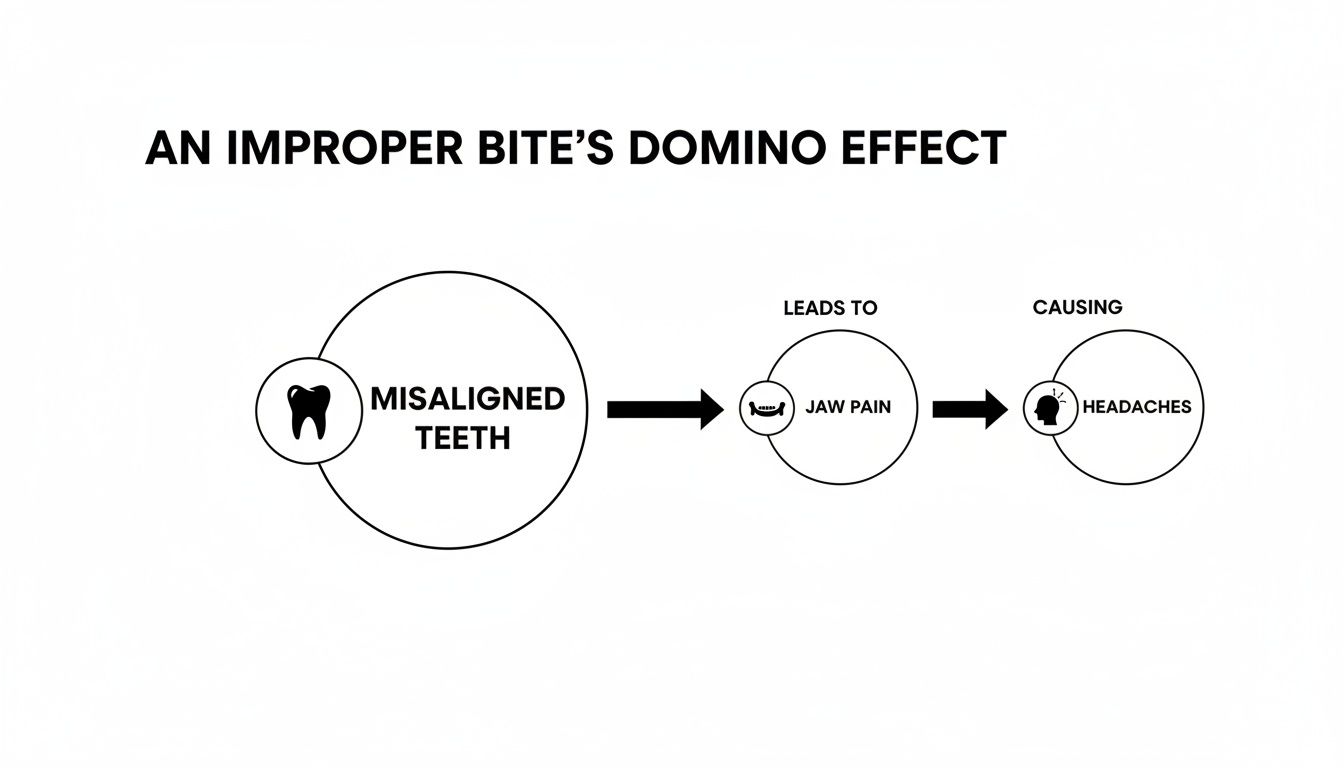
This visual shows how correcting misaligned teeth is often the first step toward relief from bigger issues like jaw pain and headaches.
More Than a Cosmetic Solution
This growing understanding of functional benefits is why the clear aligner industry has grown so much. The global market, valued at around USD 8.51 billion in 2025, is projected to reach USD 94.84 billion by 2034. This shows a major shift in dentistry, as aligners are now seen as a comprehensive treatment for many orthodontic problems. You can discover more insights about this trend at Precedence Research.
At Cedar Dental Group, we go beyond just straightening teeth. Our goal is to improve your oral function and long-term health, ensuring your new smile is as healthy as it is beautiful.
This patient-first approach is at the heart of every treatment plan we create. We focus on providing care that solves today's concerns while setting you up for a healthier future. You can learn more about how Cedar Dental offers a personalized approach to clear aligner success in our related article.
In Renton and wondering if aligners could help more than just your smile? We’ll explain how aligners can transform not only how your teeth look—but how they function.
Could Clear Aligner Therapy Be Right for You?
So, you're wondering if clear aligners are the right choice for your smile. The answer is: it depends on your specific needs. Today’s aligners are very capable, but it's important to know when they are the best option.
Clear aligners are a fantastic solution for many common orthodontic issues, especially for people with mild to moderate concerns.
We see excellent results using them to correct things like:
- Moderate Crowding: When teeth are bunched up, overlapped, and hard to clean.
- Spacing and Gaps: Closing spaces for a more even look.
- Overbites: When the upper front teeth stick out too far over the lower ones.
- Crossbites: Fixing a bite where some upper teeth sit inside the lower teeth.
When Are Traditional Orthodontics a Better Fit?
As great as clear aligners are, they aren’t the solution for every case. Some complex issues need the kind of powerful, controlled force that only traditional braces can provide.
For example, a severe bite problem, like a major underbite or a very deep overbite, often responds better to braces. The same goes for cases that require significant tooth rotations or moving a tooth up or down in the jaw.
The only way to know for sure is with a professional evaluation. If you're weighing the pros and cons, our local guide to clear aligners and braces can also give you more information.
The goal is to choose the path that aligns with your long-term health and comfort. Understanding your options is the first step toward making a confident decision about your care.
Making an Informed Decision
Our mission at Cedar Dental Group is to give you reliable information so you can feel confident about your care. When you understand the general guidelines, you can ask better questions during your consultation. This turns the appointment into a real conversation about your health.
The most important step is to schedule an evaluation. Here at our Renton, WA, office, Dr. Chu will take a close look at your teeth, your bite, and your overall oral health. From there, we can determine if clear aligners will get you the beautiful, functional results you’re looking for.
Your Custom Clear Aligner Journey in Renton
At Cedar Dental Group, we know that successful orthodontic treatment is never a one-size-fits-all solution. Your smile is unique, and your clear aligner journey should be, too. It’s all about creating a personalized plan that meets your specific health goals.
Our process is built on clear communication and trust. We want you to feel confident and informed as we work together to build a healthier, more comfortable bite—not just straighten a few teeth.
The Consultation and Digital Scan
Everything starts with a detailed consultation in our Renton office. Dr. Chu will take the time to listen to your concerns, understand what you want to achieve, and perform a thorough exam of your teeth, gums, and bite.
We use advanced 3D imaging to create a precise digital map of your mouth. This scan gives us the full picture, letting us see how your teeth fit together and find any hidden functional problems. With this data, we can design a treatment plan and even show you a virtual preview of your final smile.
Understanding the "Why" Behind Your Plan
One of the biggest issues is when patients start treatment without knowing what the aligners are actually fixing. At Cedar Dental Group, explaining the “why” is a key part of our process. Dr. Chu will walk you through your digital plan, showing you how each aligner is designed to improve both the appearance and function of your smile.
You will see how your custom plan is designed to:
- Improve Your Bite: We’ll show you exactly how the aligners will shift your teeth into a better position to reduce wear and tear.
- Enhance Oral Health: We can explain how creating the right amount of space will make cleaning easier and lower your risk of future cavities.
- Boost Comfort: If you deal with jaw tension or headaches, we can show how a more balanced bite can provide lasting relief.
This approach helps you see the real, functional value in your treatment, making the journey feel more meaningful. Ask your dentist for a full analysis of how clear aligners can improve your bite, comfort, and oral health—not just appearance.
"We don’t just hand you a box of aligners. We partner with you, providing personalized guidance and support at every check-in to ensure your new smile is both beautiful and built to last."
From your first set of custom aligners to your regular progress checks, our team is here to provide a supportive and professional experience. If you're feeling nervous, we have a helpful guide on how to approach aligners without anxiety.
Think Beyond Straight Teeth: The Lifelong Payoff of a Healthy Bite
Finishing your clear aligner journey is a huge accomplishment. But the real win isn't just how your teeth look today—it's about setting yourself up for a lifetime of better oral health.
Think of it this way: investing in a properly aligned bite is one of the smartest forms of preventive dental care you can choose. You’re not just fixing a current problem; you're avoiding more complicated and expensive issues down the road.
Dodging Unnecessary Dental Work
When your teeth don't line up correctly, a few of them take most of the force every time you chew. Over time, this leads to significant wear and tear.
A corrected bite helps you avoid common problems like:
- Prematurely Worn Enamel: When chewing forces are spread out evenly, your enamel is protected from being ground away.
- Cracked and Chipped Teeth: A bad bite is a common cause of surprise chips and cracks. When your teeth meet correctly, that risk drops.
- Expensive Restorations: By avoiding this damage, you're less likely to need crowns, veneers, or other costly dental work later in life.
A Future of Comfort and Better Health
Beyond just protecting your teeth, a healthy bite has a real impact on your daily comfort. For many people, jaw strain from a misaligned bite is the hidden source of chronic headaches or TMJ pain.
By getting to the root of the problem, you’re not just straightening your smile. You’re creating a balanced, functional system that can bring lasting relief and make life more comfortable for years.
Investing in clear aligners is about so much more than looks—it’s about building a solid foundation for a lifetime of comfortable chewing, easier cleaning, and fewer dental problems.
Here at our Renton office, we meet people every day who are ready to improve how their smile works. Dr. Chu and the team at Cedar Dental Group provide one-on-one consultations to map out exactly how clear aligners can boost your health.
Ready to improve your smile? Contact Cedar Dental Group in Renton, WA, today to schedule your consultation.
Your Clear Aligner Questions, Answered
If you're thinking about clear aligners, you probably have a lot of questions. Here are some of the most common questions our Renton patients ask us, with simple answers to help you.
Do clear aligners hurt?
You’ll likely feel some pressure for a day or two after you switch to a new set of aligners. This is a good sign—it means they're working! This feeling usually goes away quickly and is much less uncomfortable than the rubbing from traditional metal braces.
How long does treatment take?
Every smile is different, so treatment time depends on your specific needs. On average, most patients complete their treatment in about 12 to 18 months. During your consultation, Dr. Chu will give you a more accurate timeline.
Can I eat and drink whatever I want?
Yes! This is one of the best parts about clear aligners. Since they’re removable, you just take them out before meals and snacks. There are no food restrictions. Just remember to brush your teeth before putting your aligners back in.
How do I clean my aligners?
Keeping your aligners clean is easy. You can brush them gently with a soft toothbrush and clear, unscented soap. You can also find special cleaning solutions for aligners. Never use hot water, as it can warp the plastic.
What happens after my treatment is done?
Once you’ve finished your last set of aligners, you'll need to wear a retainer to make sure your beautiful new smile stays in place. Your dentist will give you specific instructions on how often to wear it. This is a key step to prevent your teeth from shifting back.
If you're still weighing your options, understanding the differences between Invisalign vs. traditional braces can be a huge help.
Ready to find out if clear aligners can do more for you than just straighten your teeth? Contact Cedar Dental Group in Renton, WA today and let’s set up your consultation. You can reach us at https://cedardentalgroup.com.
