Root Canal Therapy
Treatment of the inflamed or infected pulp inside a tooth. The tissue is removed, the canals are cleaned and shaped, and the space is sealed so the tooth can stay in place and stay functional.

A root canal has a reputation it no longer deserves. The procedure itself is how we stop the pain, not what causes it. When decay or a crack reaches the soft tissue inside a tooth, that tissue becomes inflamed or infected, and the ache that follows is often what finally brings someone in.
At Cedar Dental Group in Renton, root canal therapy is performed by Dr. Joseph Dutner, our in-house endodontist. Endodontists are dentists who complete additional years of training focused entirely on the inside of the tooth. Most general practices refer these cases out to a separate specialist across town. Ours does not. You are treated in the same office, by a team that already has your records, your X-rays, and your history.
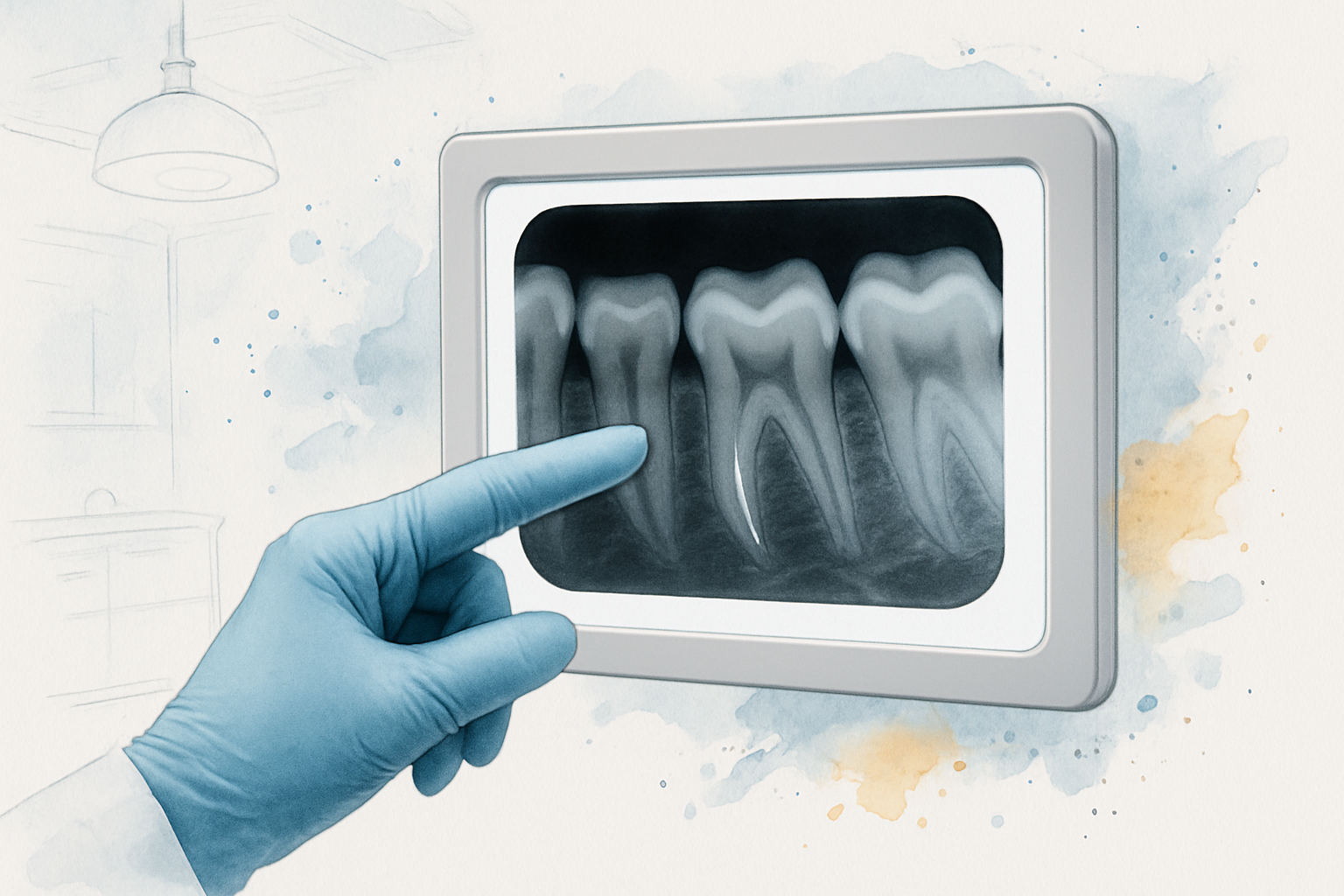
Treatment of the inflamed or infected pulp inside a tooth. The tissue is removed, the canals are cleaned and shaped, and the space is sealed so the tooth can stay in place and stay functional.
For a tooth that had a root canal years ago and has started hurting again. Retreatment reopens the tooth, clears the previous filling material, and re-cleans canals that were missed, blocked, or have become reinfected.
When infection has moved past the tooth and into the surrounding bone, treatment addresses both the source inside the tooth and the swelling around it. Getting to it early usually means a simpler visit.
A treated back tooth is more brittle than it was and usually needs a crown to hold it together under chewing pressure. Dr. Susan Chu restores the tooth here, so the whole sequence stays under one roof.
Deep cracks, failed fillings, and trauma can all reach the nerve. We look at whether the tooth has enough sound structure left to restore, and we tell you plainly when it does not.
Not every tooth can be saved. When a tooth is beyond treatment, we handle the extraction gently and walk through replacement options such as dental implants or a bridge.
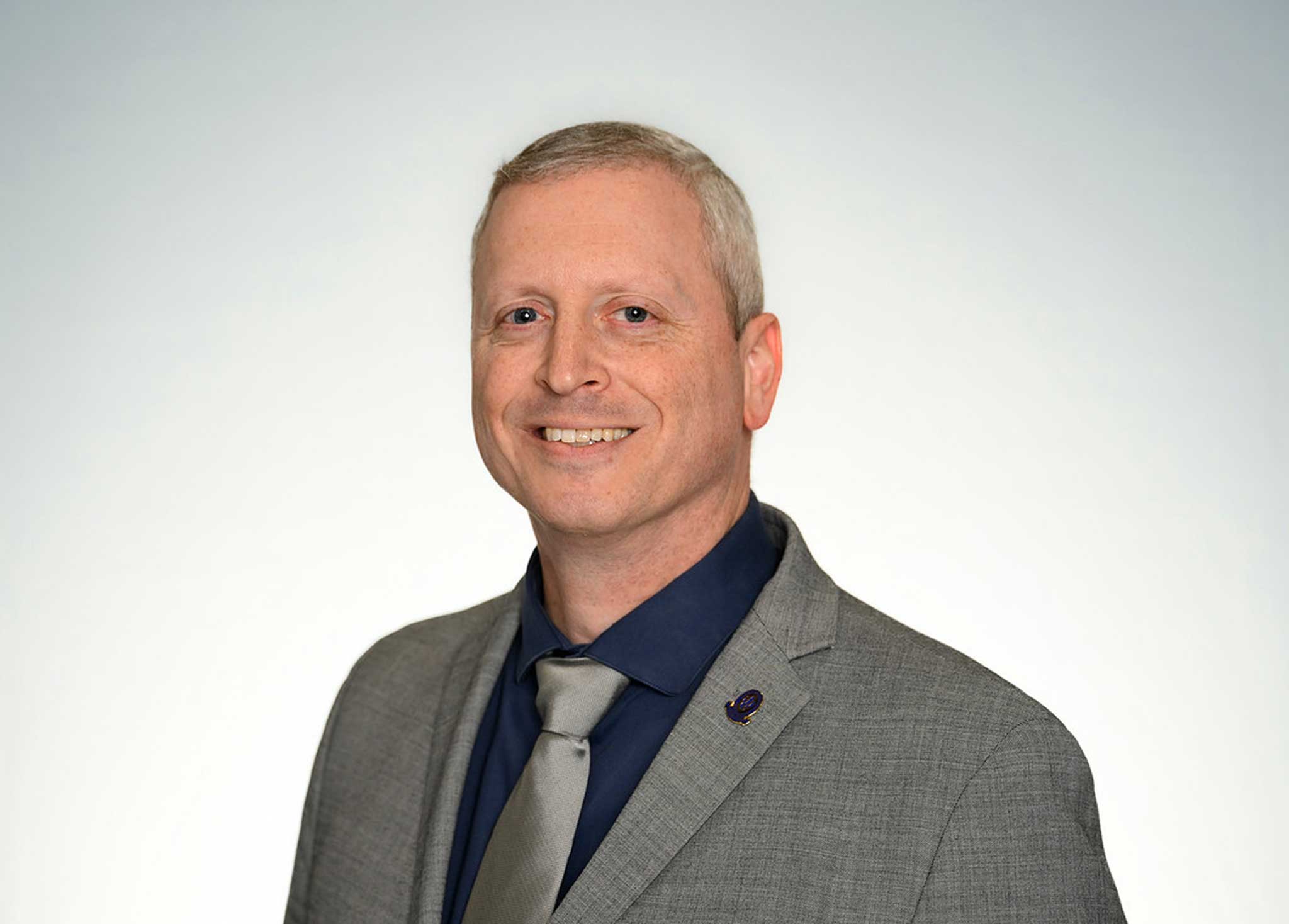
Dr. Joseph Dutner, DMD, MHPE, is a board-certified endodontist and serves as President of the American Board of Endodontics. Board certification in endodontics is not automatic. It requires a written examination, a case history review, and an oral examination in front of a panel of examiners, and only a portion of practicing endodontists complete it.
What that means for a patient in Renton is practical rather than abstract. Difficult anatomy, canals that curve or branch, teeth that were treated before and did not settle down, and cases where the diagnosis itself is unclear are the cases specialists see most. Having that experience in the building is the difference between a referral and an appointment.
Dr. Dutner works alongside Dr. Susan Chu, who leads general and cosmetic care, and Dr. Jaewon Kim, our board-certified periodontist. If a tooth needs endodontic treatment, a crown, and attention to the gum tissue around it, those are three conversations that happen in one place.
Most people picture something far worse than what happens. Here is the real sequence, start to finish.
We take digital X-rays and test the tooth to confirm the pulp is the source of the problem. Tooth pain can come from a cracked filling, gum disease, or a sinus issue, and treating the wrong thing helps no one.
Local anesthetic is placed before anything begins. You should feel pressure and movement during the appointment, not pain. If you do feel something sharp, you tell us and we stop and add more.
A small opening is made in the top of the tooth. The inflamed tissue is removed, the canals are cleaned and disinfected, and they are shaped so they can be filled completely. This is the part that takes the time.
The canals are filled with a biocompatible material and the opening is sealed. Back teeth typically receive a crown afterward to protect them from fracture. Front teeth sometimes do not need one.
Most single-canal teeth are completed in one visit of roughly 60 to 90 minutes. Molars have more canals and can take longer or occasionally a second appointment. Soreness for a few days afterward is normal and usually responds to over-the-counter pain relievers. Our post-op care instructions cover what to expect day by day.
People search for a way around a root canal more than almost any other dental question. It is a fair question, so here is an honest look at what is actually on the table when the pulp of a tooth is infected.
| Option | What it involves | What to weigh |
|---|---|---|
| Root canal therapy | The infected pulp is removed and the tooth is cleaned, sealed, and usually crowned. | Keeps your own tooth and its root in the jaw. Typically the least invasive path once the pulp is involved. |
| Extraction plus an implant | The tooth is removed and replaced with a titanium post and a crown, sometimes after bone grafting. | A strong long-term replacement, but it is a surgical process over several months and costs more than treating the original tooth. |
| Extraction plus a bridge | The tooth is removed and a false tooth is anchored to crowns on the two neighboring teeth. | Faster than an implant, but it requires reshaping two healthy teeth that did not have a problem. |
| Extraction with no replacement | The tooth is removed and the gap is left open. | The least expensive option up front. Neighboring teeth tend to drift into the space and the bite changes over time. |
| Pulp capping | A medicated material is placed over pulp that is exposed but not yet infected, to let it heal. | Only an option when the pulp is still healthy enough. It is not a substitute once infection has set in. |
| Antibiotics and waiting | Medication to quiet an infection without treating the tooth itself. | Antibiotics cannot reach dead tissue inside a canal. Symptoms often return, and the underlying problem is still there. |
The honest answer is that once the pulp is infected, the choice is usually between treating the tooth and removing it. What matters is understanding both before you decide. We go through the imaging with you and explain what we are seeing. You can read more in our detailed guide to options other than a root canal.
None of these confirm anything on their own, and some infected teeth cause no symptoms at all. They are worth having looked at.
If you are dealing with swelling that is spreading, or pain that is not manageable, call the office at (425) 430-0400 so we can talk through what you are experiencing.

Root canal cost depends on which tooth is involved. Front teeth have one canal and are the most straightforward. Premolars usually have one or two. Molars can have three or four, sometimes more, and take considerably longer. Retreatment of a previously treated tooth is its own category. The crown that follows is a separate item from the root canal itself.
We give you the numbers before treatment, not after. If a treatment plan involves more than one appointment, you see the whole plan and what each part costs.
We accept most major PPO dental plans, including Aetna, Ameritas, Anthem, Cigna, Delta Dental, GEHA, Guardian, Humana, MetLife, Mutual of Omaha, Premera, Regence, Sun Life, United Concordia, and United Healthcare. Endodontic treatment is usually covered at a basic or major benefit level depending on your plan, and we verify your benefits and file the claim for you.
For patients without insurance or with an out-of-pocket balance, we offer Cherry and Sunbit payment plans. Full details are on our financial policy page.
Our office sits at 280 Hardie Ave SW, Suite 3, just off downtown Renton. Patients travel to us from across South King County, often because it means getting endodontic care without a trip into Seattle.
The procedure itself should not. You are numb the entire time, and what most people describe afterward is relief, because the pressure that was causing the ache is gone. The tooth is usually tender for two or three days while the surrounding tissue settles, and over-the-counter pain relievers handle that for most patients. If dental anxiety is a real concern for you, tell us when you book and we will talk through comfort and sedation options before your appointment.
It depends on how far things have gone. If the pulp is exposed but still healthy, a pulp cap may protect it. Once the pulp is infected or has died, the realistic choices are root canal therapy or extraction, and extraction brings its own follow-up decision about how to replace the tooth. Antibiotics can quiet symptoms temporarily but cannot clear infected tissue inside a canal. We will show you the X-ray and explain which of these is actually available in your situation.
Usually two to four hours, sometimes up to six depending on the anesthetic used and where in the mouth it was placed. Lower jaw injections tend to last longest. Avoid chewing on that side until sensation returns so you do not accidentally bite your cheek or tongue. Gentle movement and warmth help it fade a little faster. If numbness is still present the following day, call us.
Back teeth almost always do. Once the pulp is removed, the tooth loses its internal blood supply and becomes more brittle, and molars and premolars absorb serious force every time you chew. A crown holds the remaining structure together. Front teeth take less pressure, and if the access opening is small and the tooth is otherwise intact, a filling is sometimes enough. Dr. Chu makes that call based on how much sound tooth is left.
Retreatment is a second root canal on a tooth that was already treated. It becomes necessary when a canal was narrow, curved, or hidden and was not fully cleaned the first time, when a crown or filling has leaked and let bacteria back in, or when new decay has reached the root. Symptoms often show up years later. Dr. Dutner reopens the tooth, removes the old filling material, cleans the canals again, and reseals them.
Many last decades, and plenty last for life. What determines the outcome is how completely the canals were cleaned and sealed, how soon the tooth was restored with a crown, and how well the tooth and gums are cared for afterward. We do not make promises about any individual tooth, but a properly treated and restored tooth is a durable result.
No. You can book directly with us whether you are an existing patient or coming from another practice. If your regular dentist has already recommended a root canal and sent you records or X-rays, bring them or have them sent over and we will review them. New patients can see our new patient information before the first visit.
If you have been told you need a root canal, or you are dealing with a tooth that will not settle down, we can take a look and tell you what we see. Cedar Dental Group serves Renton, Kent, Tukwila, Burien, Newcastle, and the surrounding South King County area, with endodontic care handled in our own office rather than sent elsewhere.
 Chat with us
Leave your name and the best way to reach you, and we'll send this conversation to our team.