
Weighing Your Treatment Options
If a tooth is infected, cracked, or causing pain, root canal therapy isn't always the only path forward. At Cedar Dental Group, our in-house endodontist, periodontist, and general dentist work together so you can understand every option — including retreatment, extraction, and implant replacement — before deciding what's right for your tooth.
Schedule a Consultation
Any licensed general dentist can perform a root canal. Board certification in endodontics means additional years of training focused specifically on the pulp and root structures of the tooth, followed by rigorous exams administered by the American Board of Endodontics. Dr. Dutner doesn't just hold that certification — as President of the Board, he helps set it.
In practice, that experience matters most on the cases that are hardest to predict from the outside: calcified canals, unusual root anatomy, and teeth that were treated once before and still aren't healing. Those are exactly the situations where the choice between retreatment, a first-time root canal, and extraction is least obvious, and where a second, specialist-level opinion is worth having before you commit.
There's no universal right answer here — it depends on the tooth's position, the bone supporting it, and what matters most to you. This side-by-side is meant to help you walk into a consultation with better questions, not to replace an exam. Your actual recommendation will come after we've looked at imaging of the specific tooth in question.
| Option | What It Involves | Best For | Typical Timeline |
|---|---|---|---|
| Root Canal Retreatment | Removing old filling material, cleaning previously treated canals, and re-sealing the tooth. | A tooth that was treated before but is still causing pain or shows new infection. | 1–2 visits |
| Root Canal Therapy | Cleaning infected pulp tissue, shaping the canal, sealing it, usually followed by a crown. | A tooth with enough healthy structure left to support a long-term repair. | 1–2 visits, plus a follow-up crown |
| Extraction with Dental Implant | Removing the tooth, allowing the site to heal (or graft, if needed), then placing an implant. | A tooth fractured below the gumline, or bone loss that limits retreatment options. | Several months, completed in stages |
| Extraction with Bridge | Removing the tooth and replacing it with a bridge anchored to the neighboring teeth. | Patients who want to avoid surgical implant placement or need a faster fixed solution. | A few weeks after healing |
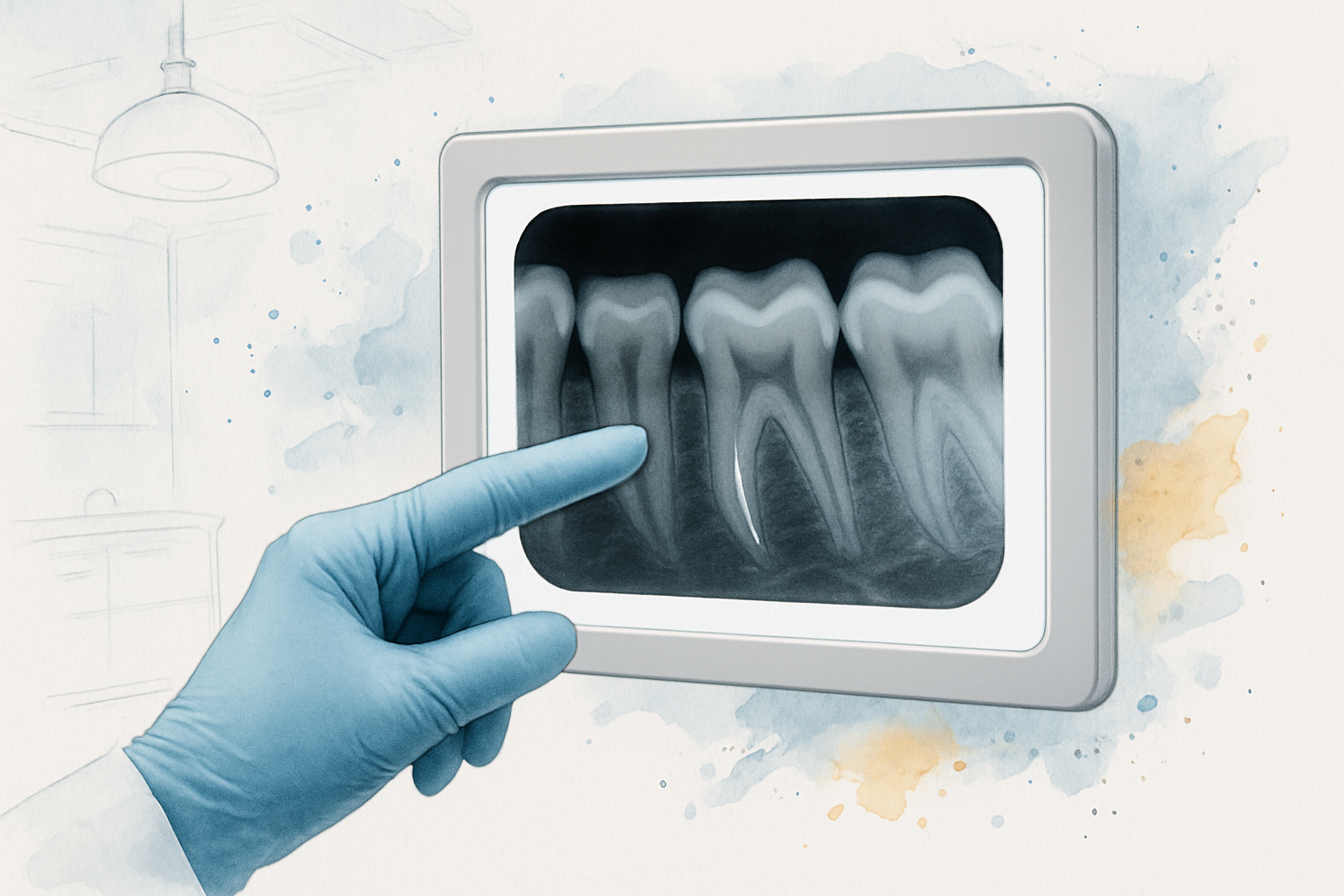
We see patients from Renton and throughout South King County who want a second opinion before committing to treatment. Whether you're weighing retreatment, extraction, or implant replacement, our team can walk through your imaging and answer your questions in person — not over the phone, and not on the same visit you were first told you needed a root canal.
Renton · Kent · Tukwila · Burien · Newcastle · Greater Seattle
Not necessarily. A root canal is recommended when the pulp inside a tooth is infected or damaged beyond its ability to heal on its own, but that doesn't automatically make it the only option. How much healthy tooth structure remains, whether the infection has reached the bone, and what the tooth needs to do long-term all factor in. That's why it's worth reviewing the alternatives with an endodontist rather than treating the first recommendation as the final word.
The tooth is removed, and the space it leaves behind typically needs to be replaced to prevent neighboring teeth from shifting and to protect the underlying bone. An implant or a bridge are the two most common replacements. Dr. Kim can evaluate your bone support to help you decide which fits your situation before you commit to extraction.
Yes. Retreatment addresses a tooth that was already treated but is still causing pain or shows signs of new infection. It's more delicate work — it involves removing the prior filling material before the canals can be recleaned and resealed — which is part of why it's typically handled by an endodontist rather than a general dentist.
Coverage varies by plan and by whether the tooth is considered restorable. We accept most major PPO dental plans and can verify your benefits before you decide on a direction, so cost isn't a surprise partway through treatment.
It usually requires an exam and imaging to see how much healthy structure and bone are actually left — it's often not something you can tell from how the tooth looks or feels. That imaging is the starting point for any recommendation we make, whether that's retreatment, a first-time root canal, or extraction.
You don't have to choose between a root canal, retreatment, and extraction on your own. Our endodontist and periodontist can review your specific tooth together, in the same office, and help you understand what each path actually involves before you commit to one.
Schedule a ConsultationOr call us at (425) 430-0400
 Chat with us
Leave your name and the best way to reach you, and we'll send this conversation to our team.